
Our Electrical Blog
AFCI vs. GFCI: The Difference That Protects Your Family
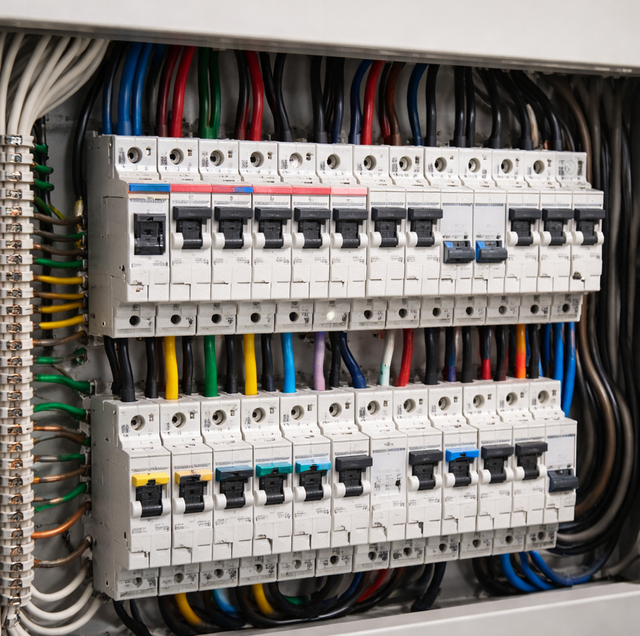
The two acronyms sound like twins, and they even share a slot in the panel, but they were built to stop entirely different disasters.
Why Are My Outlets Warm or Discolored? Read This First
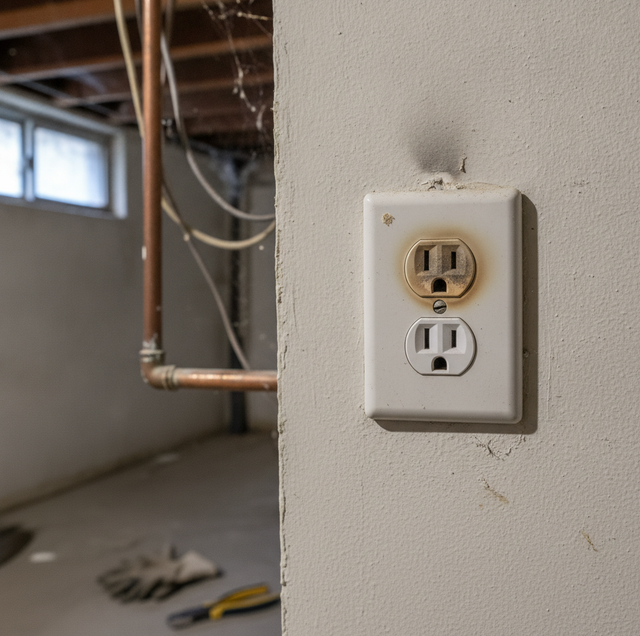
You reach behind the couch to unplug a lamp and notice the outlet feels warm against your fingers. Maybe the once-white face has gone faintly tan around one of the slots, or there's a gray smudge that wipes away but comes back. It's easy to shrug off. It's also one of the few things a home wall will tell you before it becomes a problem you can smell from the next room.
LED Retrofit vs New LED Fixtures: Which Saves More for Commercial Buildings
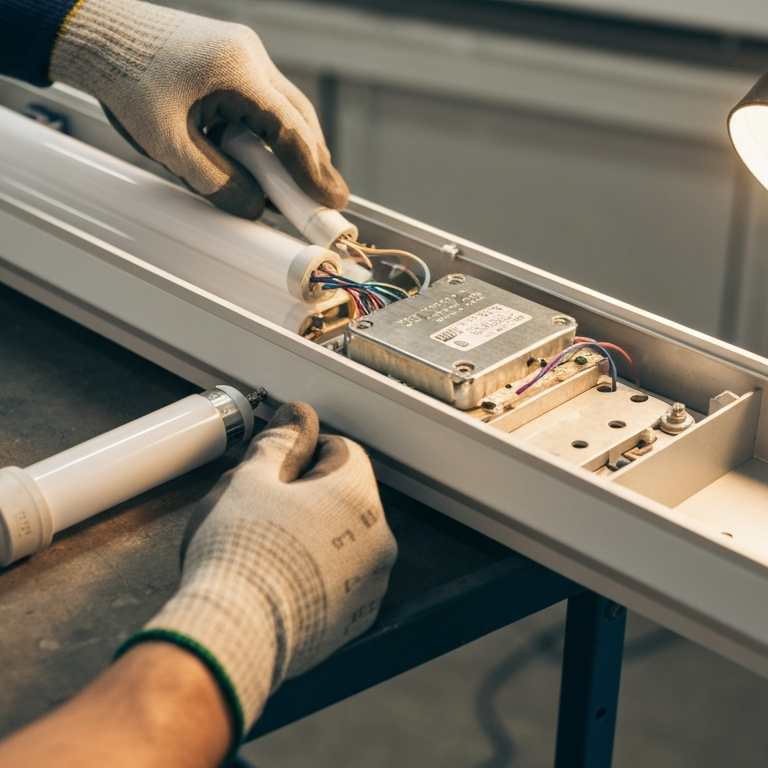
An LED retrofit reuses the existing fixture housing — the metal box mounted to the ceiling, the lens, the reflector — and replaces only the lamps and the ballast inside.
What Is a GFCI Outlet? The Device That Prevents Shocks
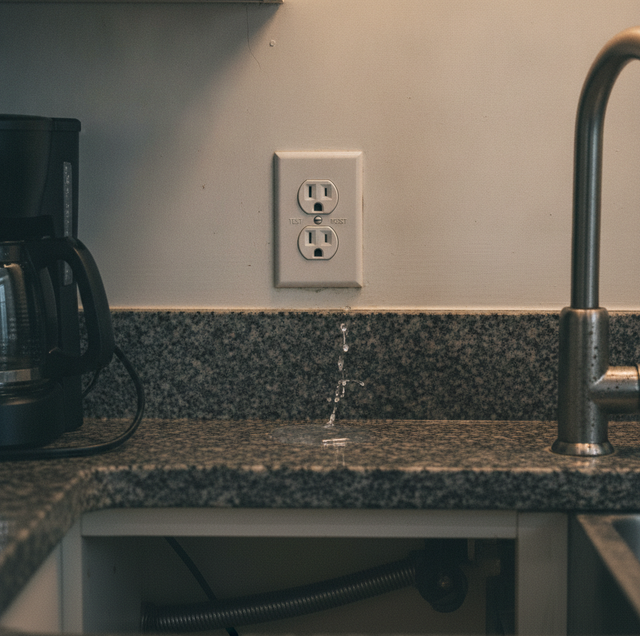
You have probably noticed them: outlets with two small buttons, one marked TEST and one marked RESET, usually in the kitchen, the bathroom, or by the back door. That outlet is a GFCI, short for ground-fault circuit interrupter, and it does a job an ordinary outlet cannot. It watches, moment to moment, for the specific electrical event that shocks people, ready to cut power before that event can hurt anyone.
What Should an Electrical Panel Upgrade Quote Include?
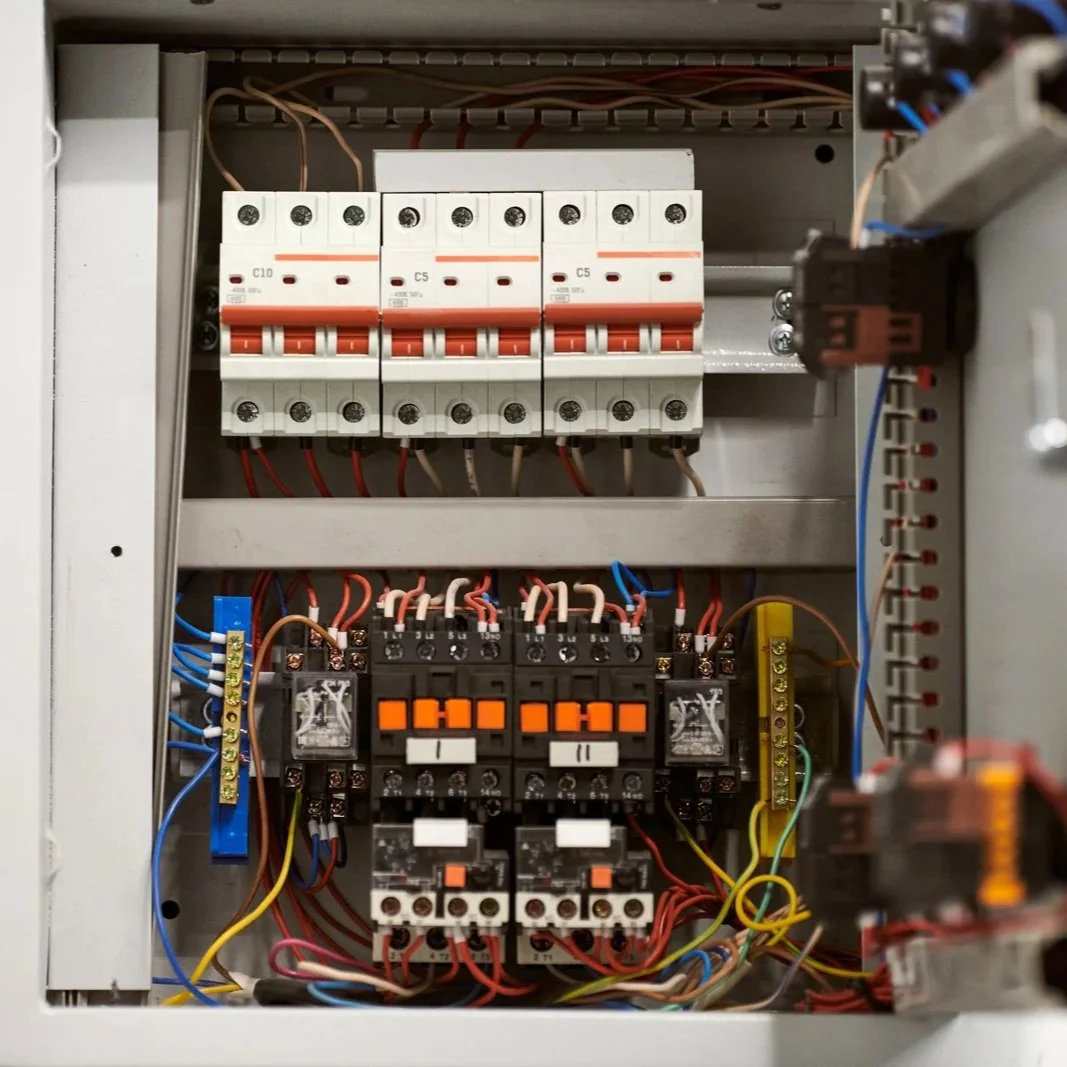
You ask three electricians for a panel upgrade quote and get back three documents that look nothing alike. A complete, itemized quote lets you spot which of the three is driving the spread. A vague quote hides them.
What Causes a Circuit Breaker to Keep Tripping?
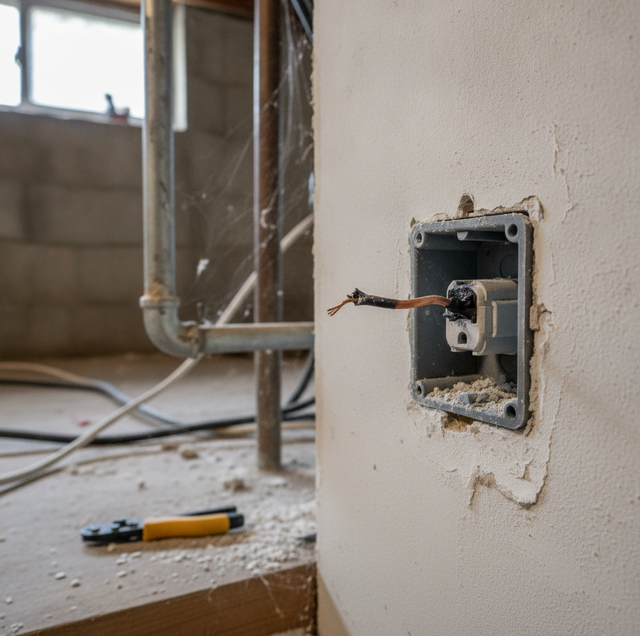
A breaker trips, you flip it back on, and a few minutes later, it trips again. It is tempting to treat it as a nuisance and keep resetting it, but a breaker that keeps tripping is doing exactly what it was designed to do: cutting power to protect the circuit from a problem, and it will keep cutting power until that problem is dealt with. The repeated trip is information. Knowing the common causes tells you what your electrical system is reacting to, and why simply forcing the breaker back on is the wrong move.
Level 1 vs Level 2 EV Chargers: Which Do You Need at Home?
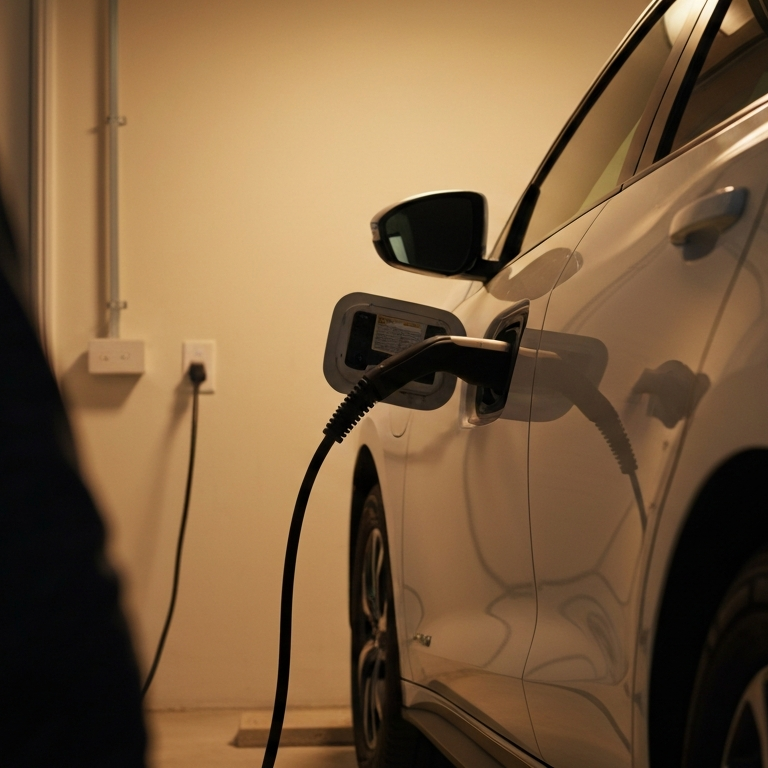
Level 2 uses a 240-volt circuit — same voltage as your electric dryer or oven, just on a dedicated branch circuit. The cable can be either hardwired to a wall-mounted unit or plugged into a 240-volt outlet.
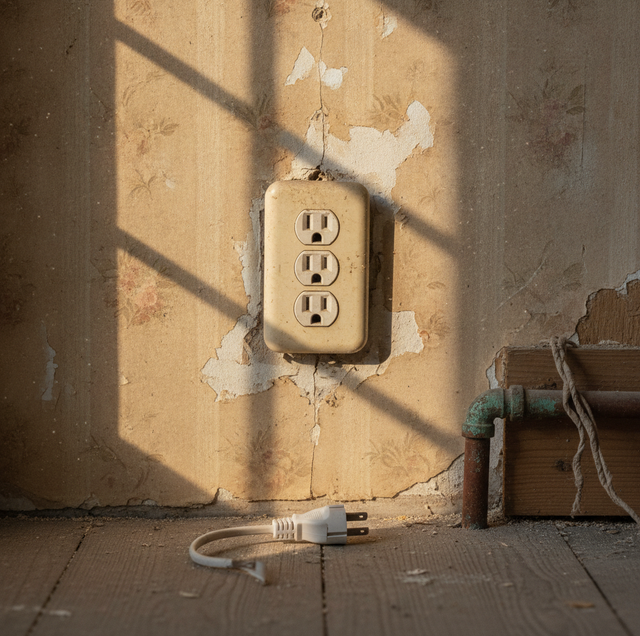
Two-Prong Outlets in an Older House: 3 Real Fixes
If you have ever gone to plug in a computer or a power strip and found the outlet has only two slots instead of three, you have run into ungrounded wiring. It is a common surprise in older homes, and it raises a fair question: Is this a problem, and what can be done about it?
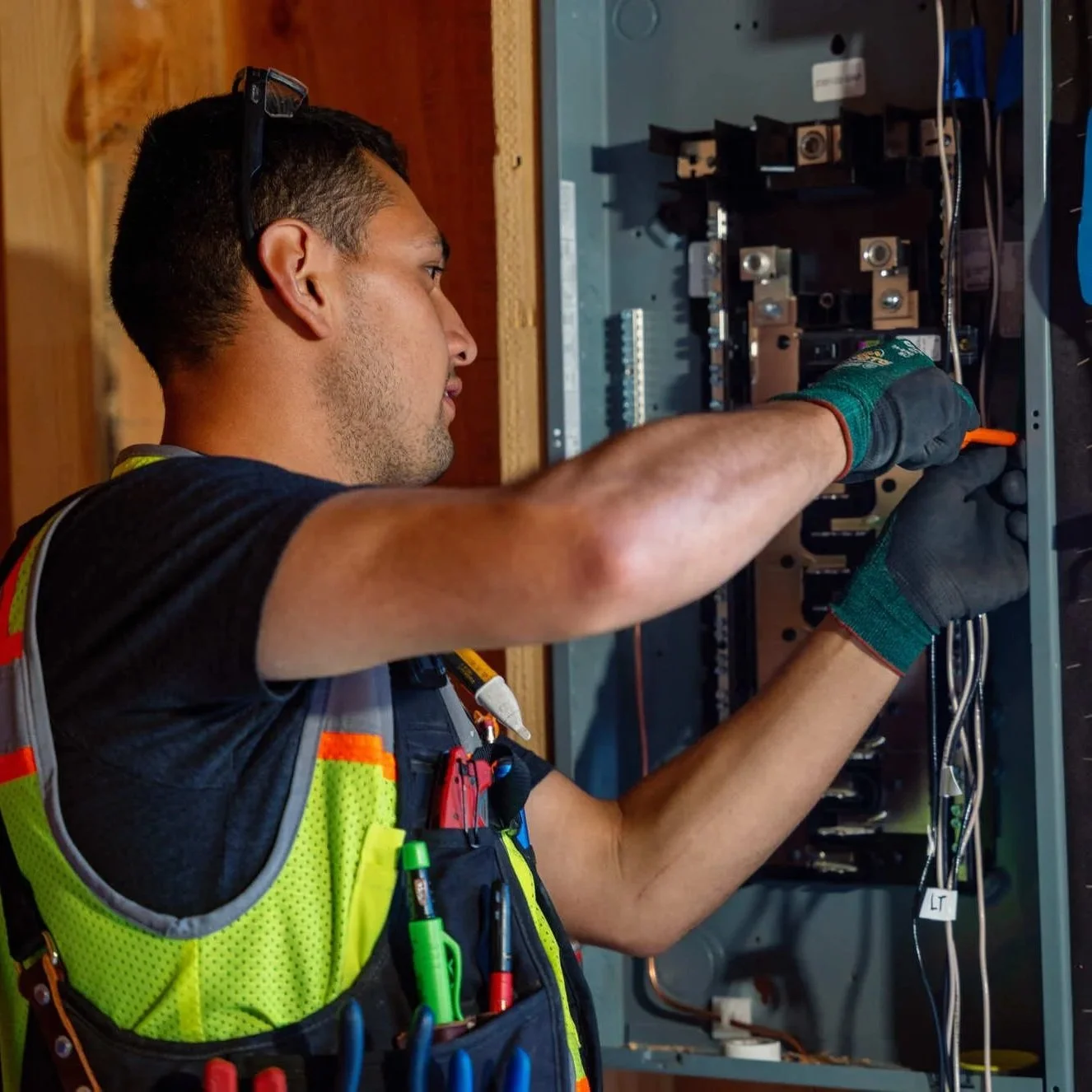
How Often Should Commercial Electrical Panels Be Inspected?
Commercial panel inspection used to be a recommendation. It's an expectation now — from carriers, from lenders, from buyers during due diligence.
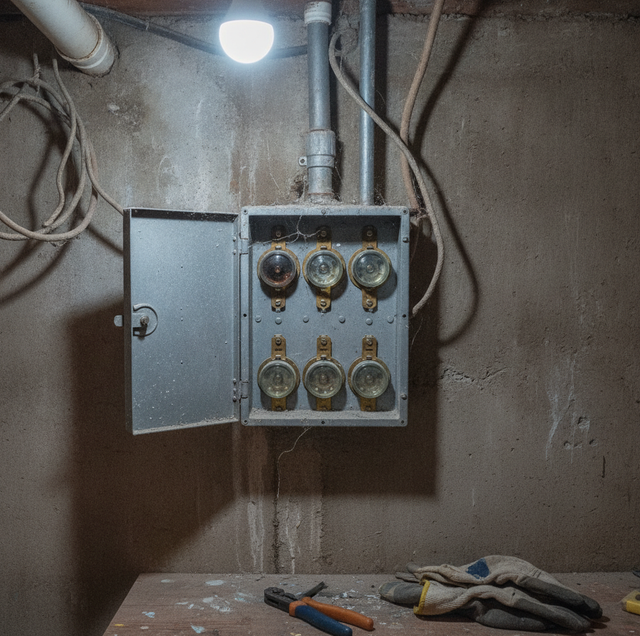
Fuse Box vs Circuit Breaker Panel: When an Upgrade Is Worth It
Both a fuse box and a circuit breaker panel do the same core job: they cut power the instant a circuit draws more current than its wiring can safely carry, whether that comes from an overload or a dead short. The difference is what happens at the moment they act, and what you have to do afterward. That difference is the whole reason people ask whether an older panel is worth replacing.
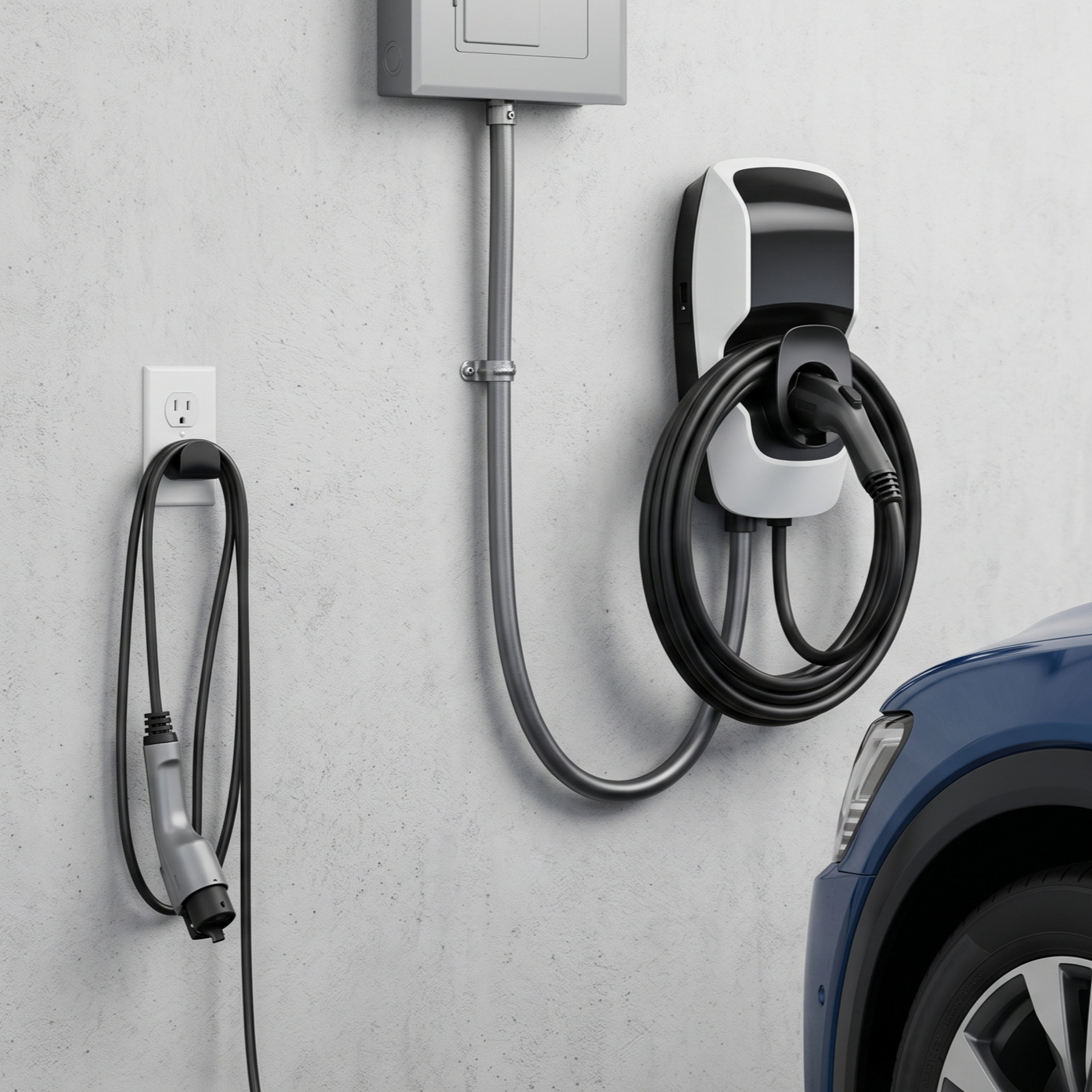
Level 1 vs Level 2 Home EV Charging: Which Should You Install?
Almost every electric vehicle comes with a Level 1 charging cord, so a lot of new owners plug into a garage outlet and call it done. For some drivers, that's truly enough. For most, the slow trickle becomes a daily frustration within a few weeks. The choice between Level 1 and Level 2 really comes down to how far you drive and how fast you need to recover it overnight — and getting it right up front saves you the cost of redoing it.
Tesla Wall Connector vs ChargePoint vs Wallbox: Which Home EV Charger Is Best
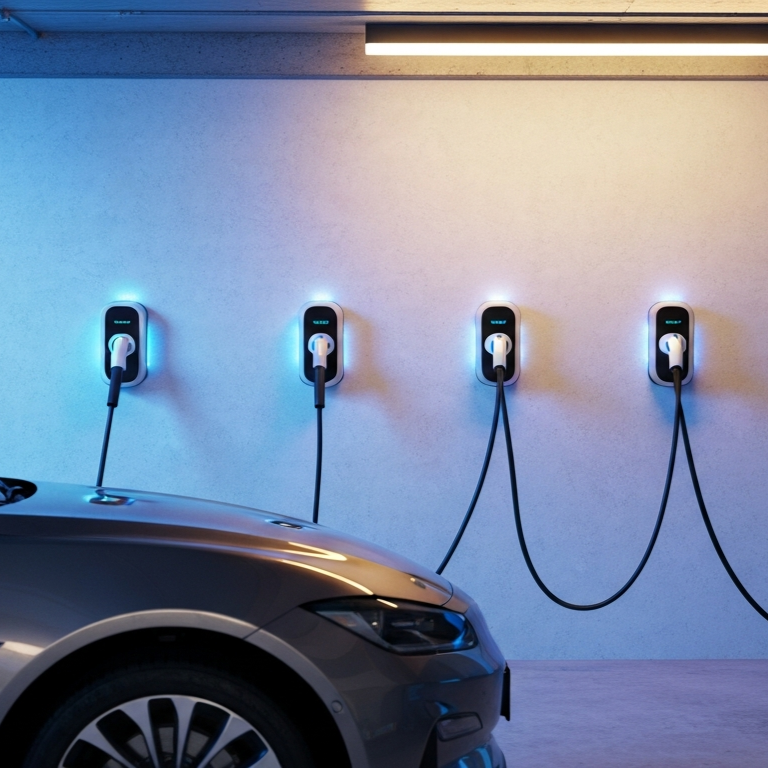
A modern Level 2 home charger is mostly a relay, some circuit protection, a control board, and a radio — bolted to your garage wall.
Lights Dimming When the AC or Dryer Starts? What It Means
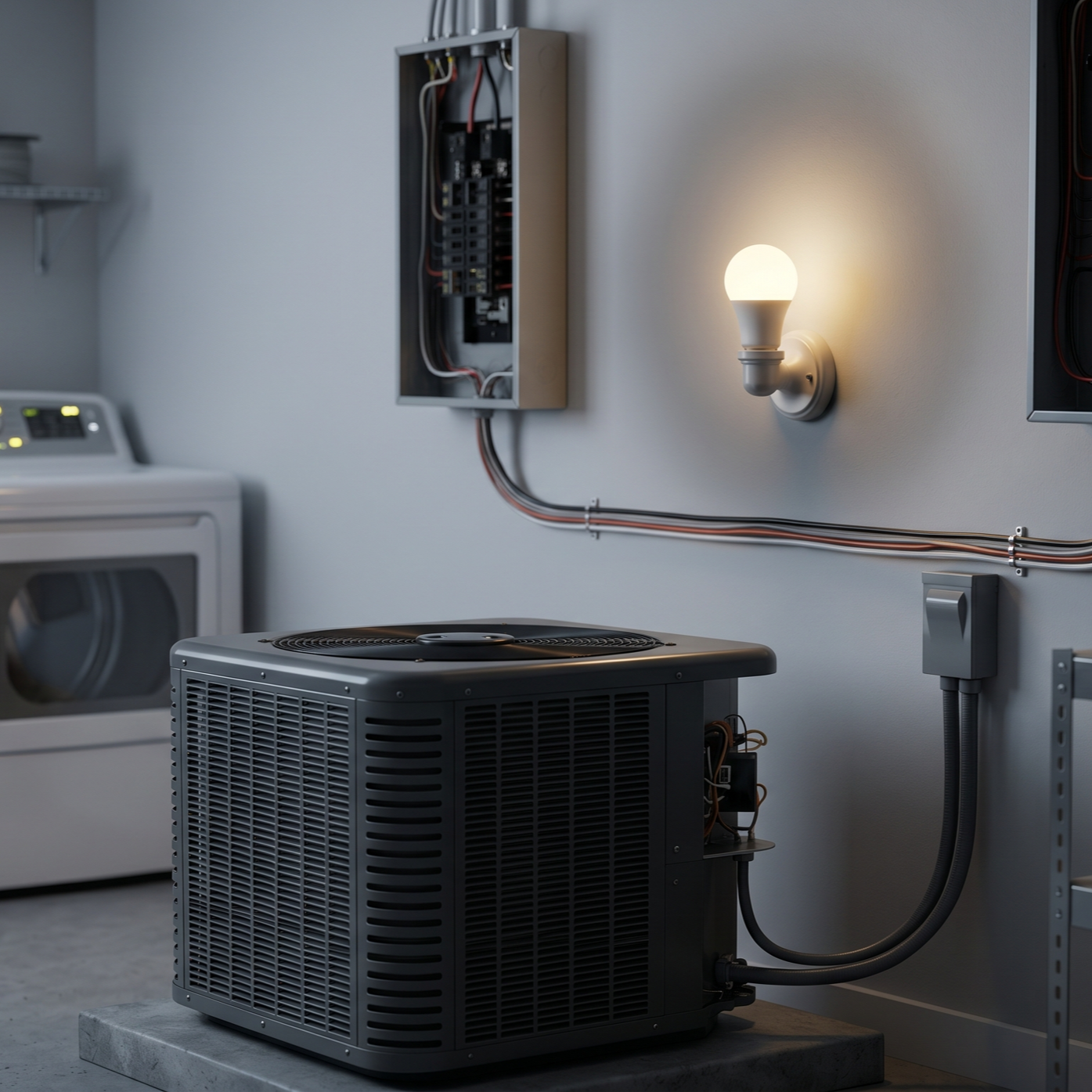
You flip on the dryer or the AC clicks on, and the lights dip for a moment. It's one of the most common electrical questions homeowners have, and the answer is reassuring in part and cautionary in part: a little dimming is normal, but a lot of it — or dimming that's getting worse — is worth paying attention to. Knowing the difference matters.

How Does a Home Battery Backup Connect to Your Electrical Panel?
Almost every modern home battery system uses a device called a gateway, an automatic transfer switch (ATS), or a system controller, depending on the manufacturer's marketing name.
Tesla Wall Connector vs Universal Level 2 Charger: Which?
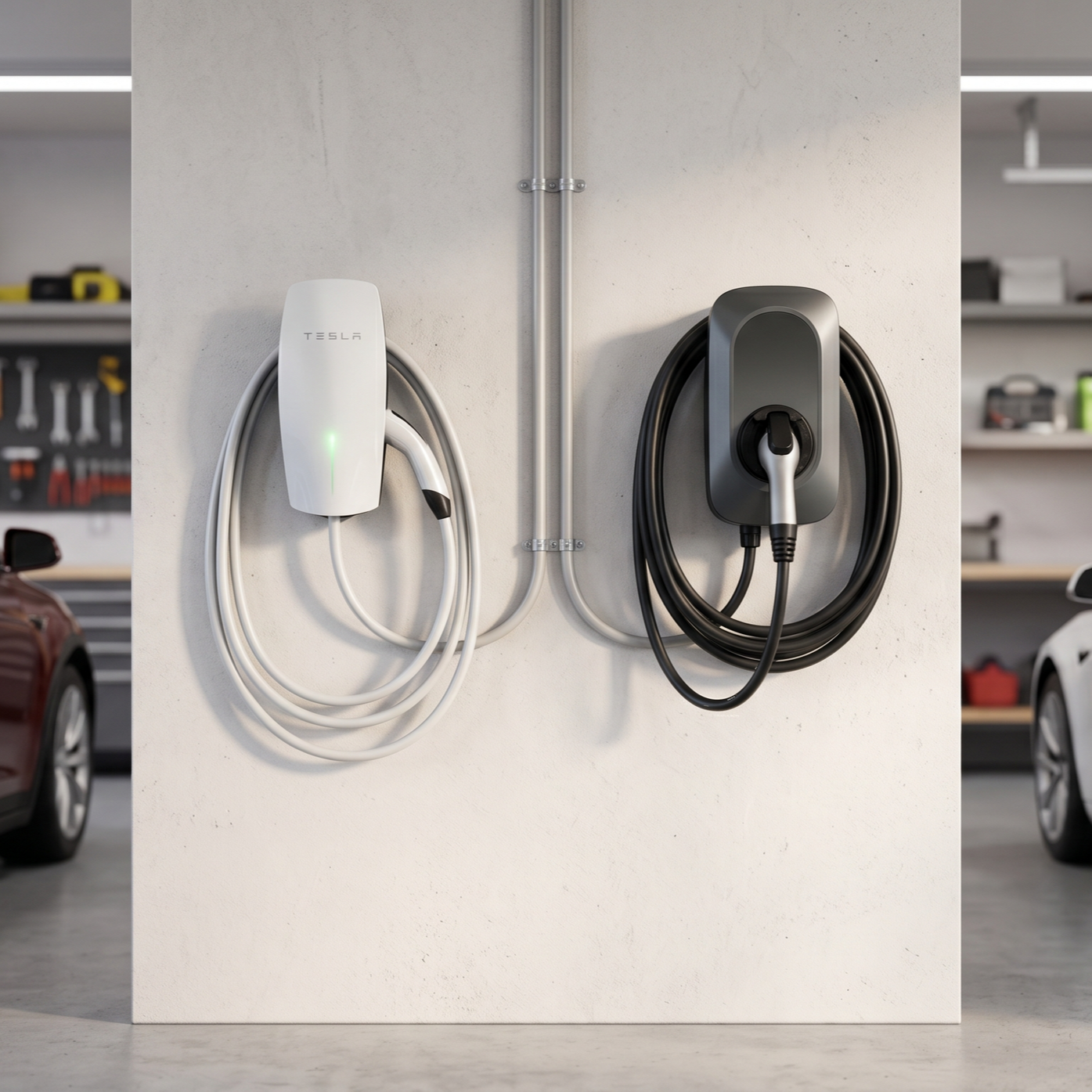
When setting up home EV charging, one common decision is between a Tesla Wall Connector and a universal Level 2 charger. Both provide fast home charging, but they differ in compatibility and flexibility, and the right pick depends largely on what you drive — and what you might drive down the road. Here's how to think it through.
Why Does My Outlet Buzz When Something Is Plugged In?
You plug in the toaster, and a faint sizzle starts behind the wall. It gets a little louder when the toaster heats up, then fades when the toast pops. You stand there for a second.
Is Your Electrical Panel Too Old to Be Safe? How to Tell
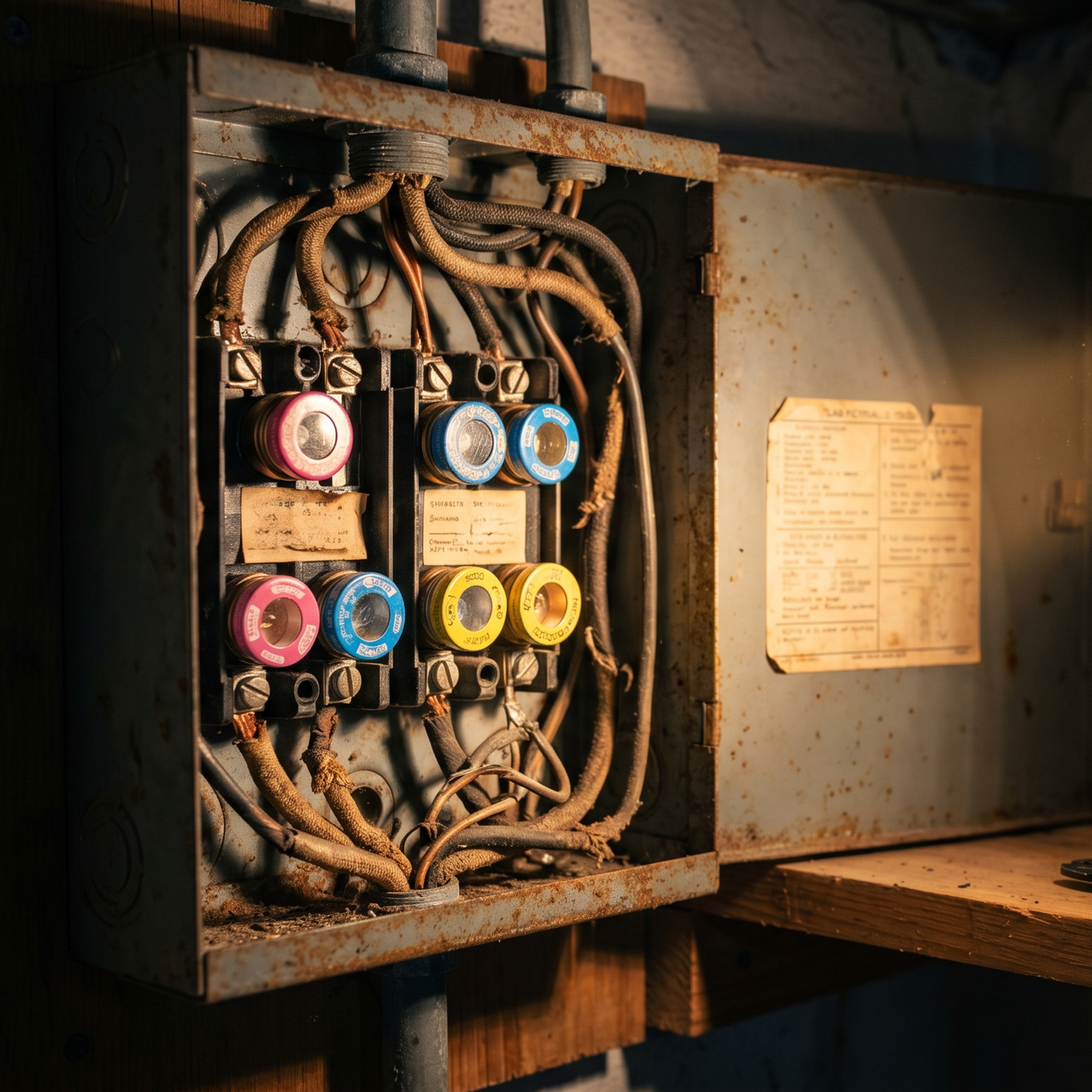
Your electrical panel quietly does a critical job, and when it's old, it can become a safety concern rather than just an outdated box. The tricky part is that age alone doesn't automatically mean danger — but older panels are more likely to be undersized, worn, or in some cases known hazards. Knowing the warning signs helps you tell a panel that's simply old from one that's genuinely unsafe.
Is Aluminum Wiring in My Home a Fire Risk?
The other kind is stranded aluminum at service-entrance and large-appliance conductors. Those are larger, multi-strand, and terminate on connectors designed for them.
Need a 200-Amp Panel for an EV Charger and Heat Pump?
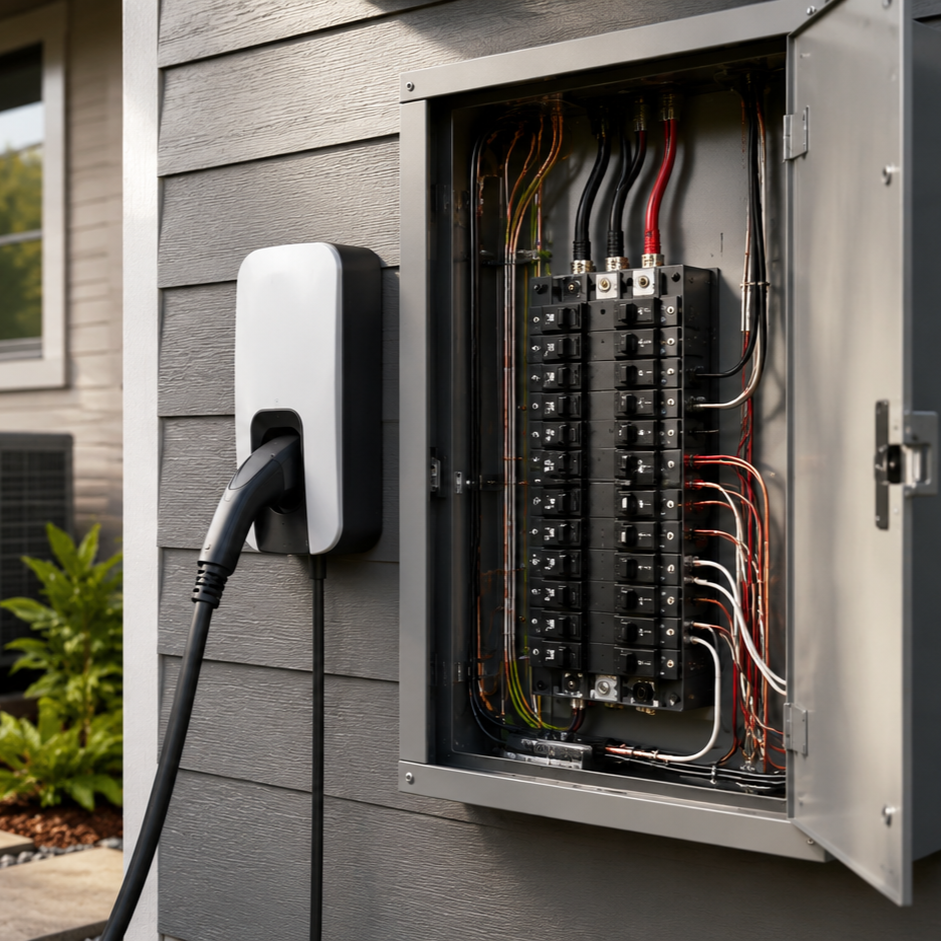
Electrifying your home with an EV charger and a heat pump is increasingly popular, but both are big electrical loads, and a common question is whether your existing panel can handle them or whether you need to upgrade to 200-amp service. The honest answer depends on your specific home — but understanding how these loads add up, and how the decision is actually made, helps you plan.
Do Smart Switches Need a Neutral Wire?
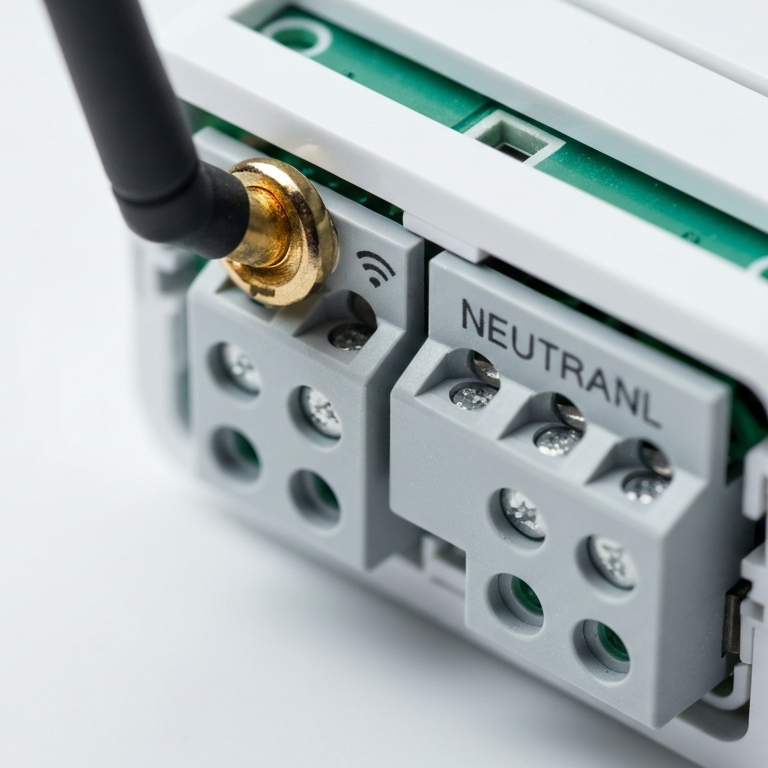
A regular toggle switch is mechanical. It physically breaks the hot wire to turn the light off, and it doesn't need any power of its own to do that.