
Our Electrical Blog

What Electrical Work Does a New Hot Tub Installation Require?
A real hot tub install is a sequence. Each step depends on the one before it. Skip any of them, and the inspector rejects the job. Worse — you end up with a tub that's a shock hazard the moment somebody steps in it.
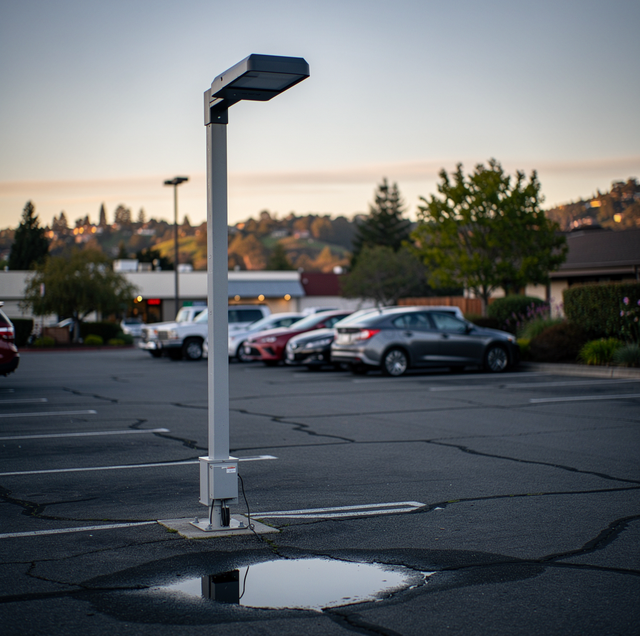
Parking Lot Lights Flickering or Cycling Off? Don’t Re-Lamp Yet
A tenant emails at nine on a Tuesday night about three poles along the north row: on, then dark, then on again, roughly a minute apart.

Under-Cabinet Lighting in a Finished Kitchen: What to Expect
Your kitchen finally looks the way you pictured it, with new cabinets, a tiled backsplash, and quartz counters, and then the sun goes down.
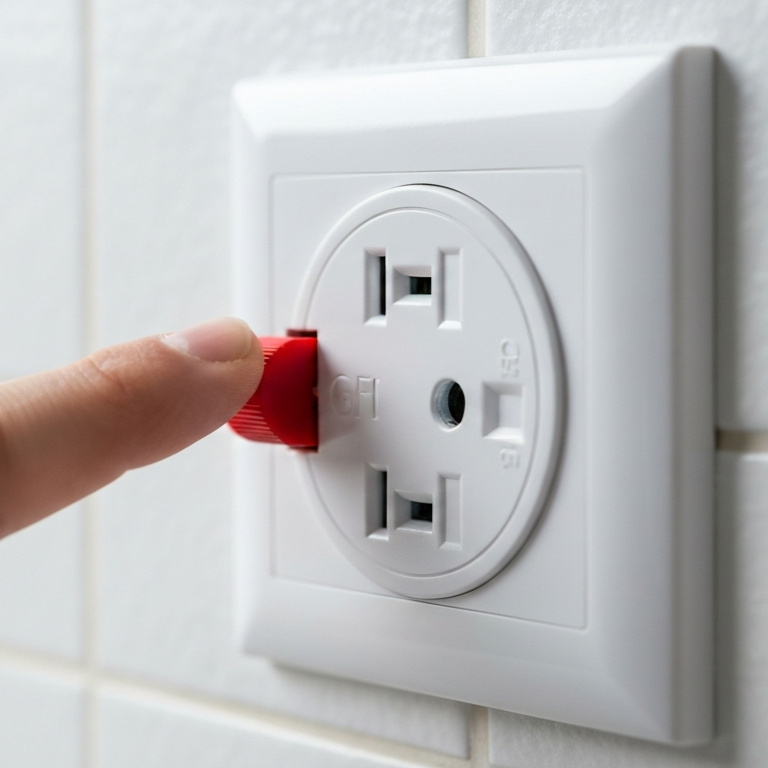
Why Is the Power Out in Only One Room?
If pressing reset doesn't hold — the button pops back out within seconds — there's a real fault on the circuit somewhere, and that's the GFCI doing its job. Leave it tripped and call an electrician.
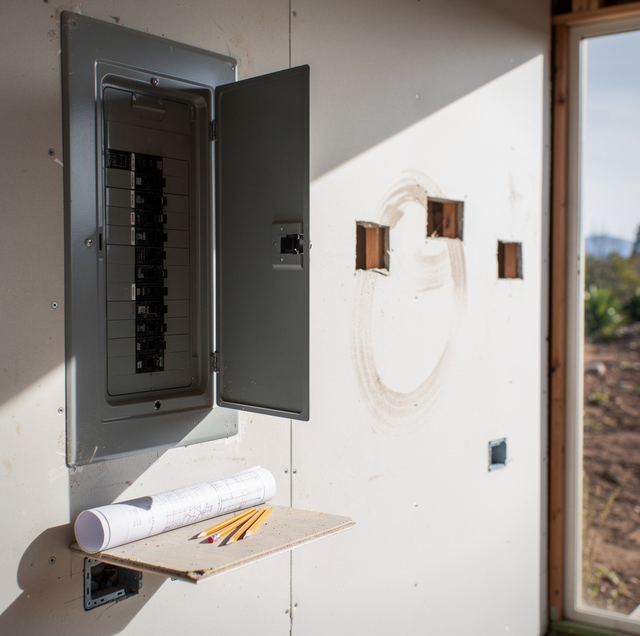
Tenant Improvement Electrical: What a New Buildout Really Needs
A common assumption walking into a leased commercial space is that the electrical side of a tenant improvement means adding a few outlets where the new layout needs them and swapping some light fixtures.
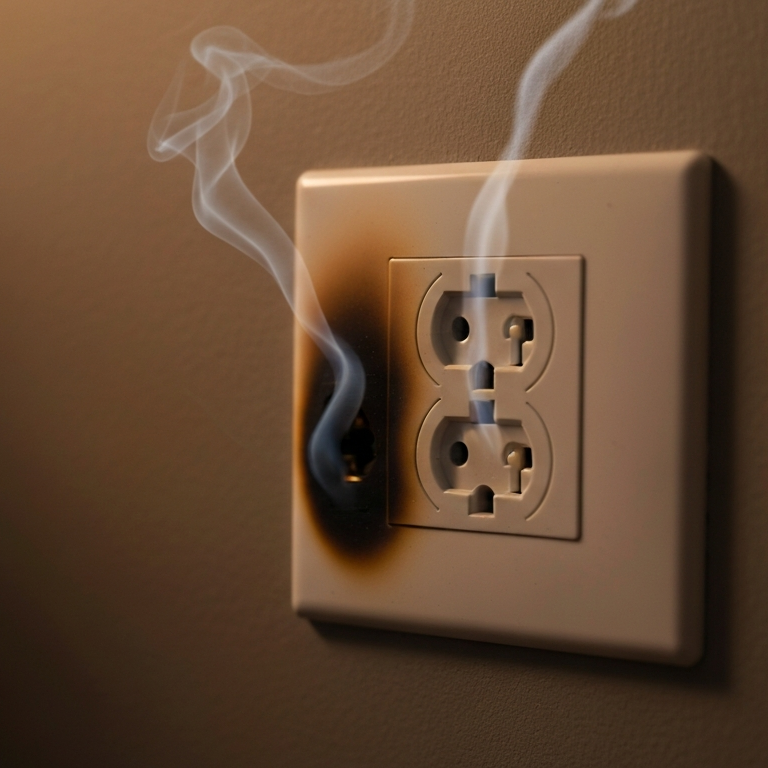
What to Do When You Smell Something Burning From an Outlet?
A burning smell from an outlet is the smell of plastic that's been heated past its melting point. Something inside the receptacle or in the wires behind it is running hot enough to char the device body, the conductor insulation, or both. The four most common causes are below — but figuring out which one is for the electrician, not for you.
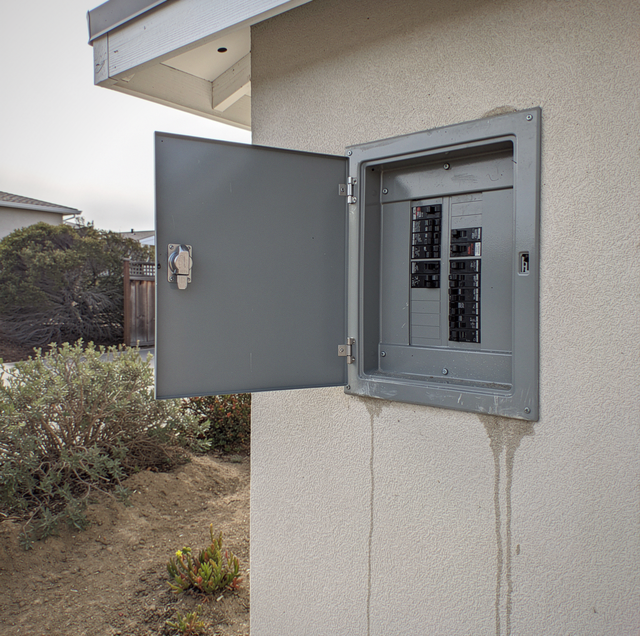
Why Outdoor Panels Rust Fast Near the Coast (and What Helps)
Start with the cover. Not the whole panel, just the dead front, the metal plate over the breakers.
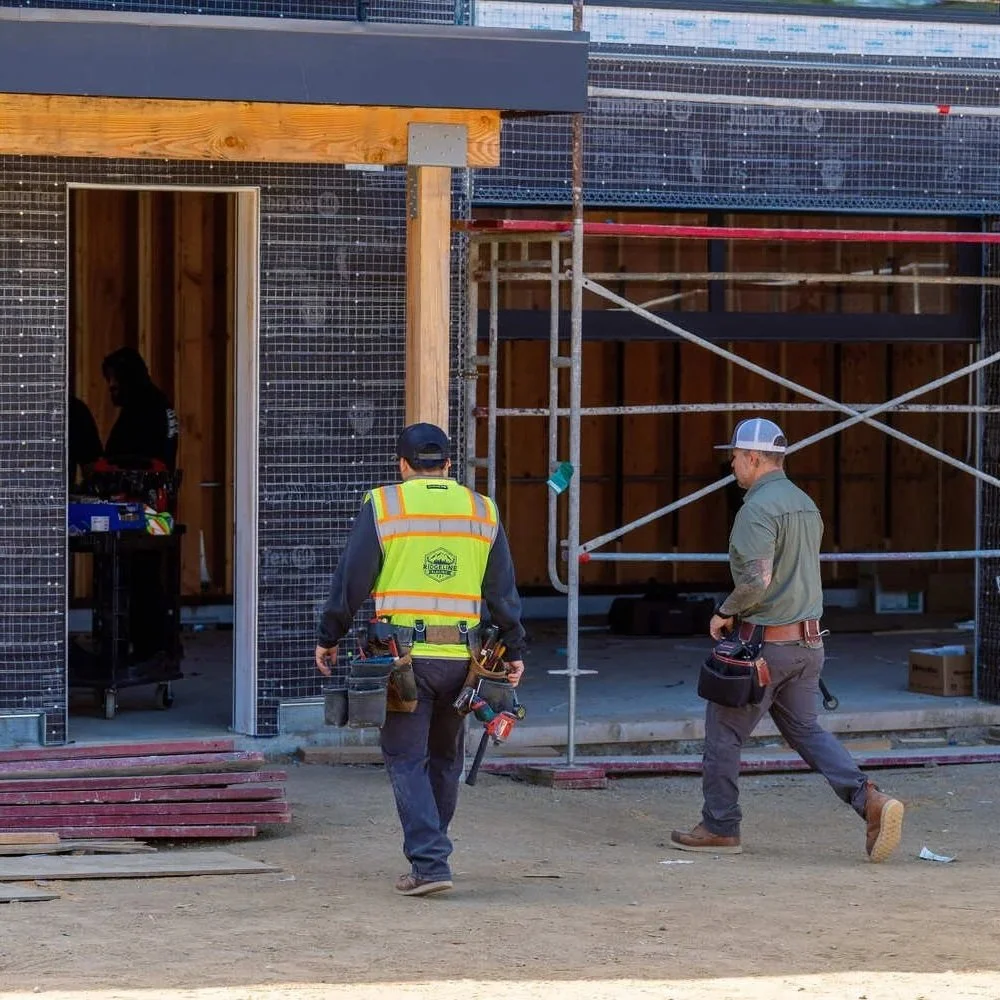
What Does Commercial Tenant Improvement Electrical Work Cost?
Commercial TI electrical work splits into three rough tiers based on how much new electrical infrastructure the buildout needs. But most projects sit at one tier; a few straddle two.
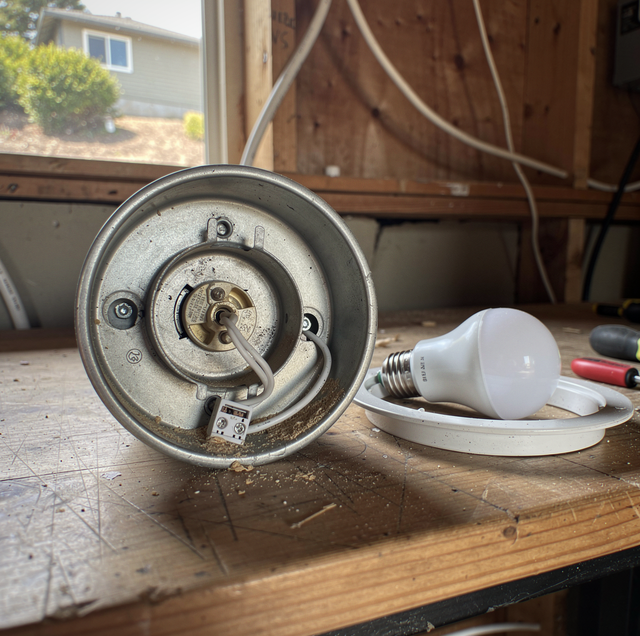
LED Retrofits for Old Recessed Cans: What Actually Changes
Can I just screw an LED bulb into my old recessed can and call it done?Sometimes.
Which Commercial Outdoor Lighting Materials Last the Longest?
There's no single right answer, because climate matters as much as metal. The same material that lasts 30 years in a dry inland setting can fail in 8 years, a few miles from salt water. With that caveat, here's how the common housings stack up.
Generator Interlock Kits: How They Stop Dangerous Backfeed
The power company shuts off the line two days before the wind even picks up, and the forecast shows gusts strong enough to snap a branch onto a wire.
Electrical Inspection on an Older Home: What Gets Checked
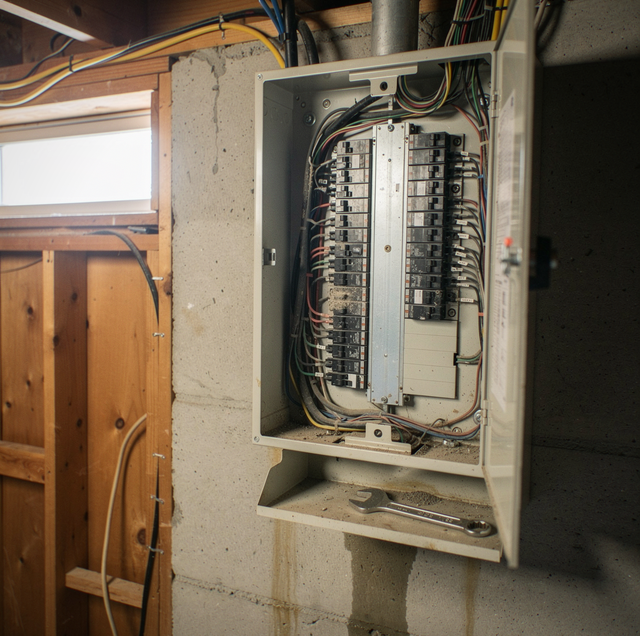
A general home inspector walks the house from top to bottom in a few hours and covers dozens of systems, including the roof, foundation, plumbing, HVAC, and electrical.
Hardwired vs Plug-In Level 2 EV Charger: Which Is Better?
A hardwired installation skips the receptacle. The wire goes straight into the back of the charger and terminates on screw terminals inside.
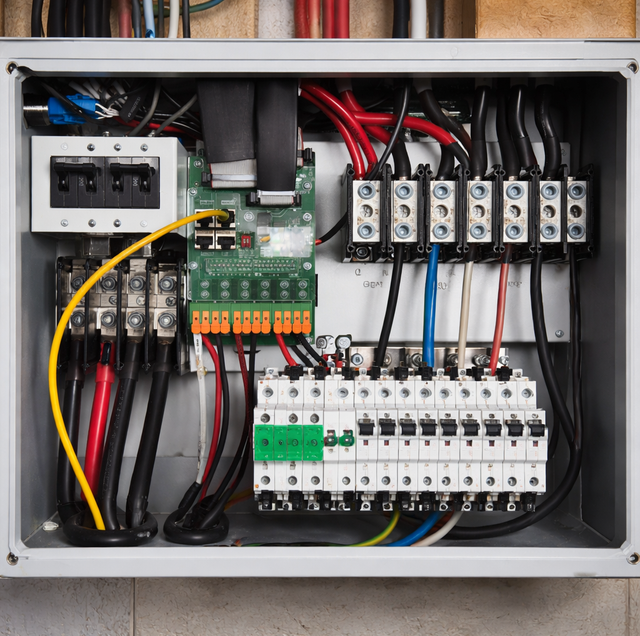
What Is an Electrical Subpanel? 4 Signs You Need One
You add a circuit for the new garage freezer, then another for the workshop lights, and one day you open your main panel to find every slot already taken.
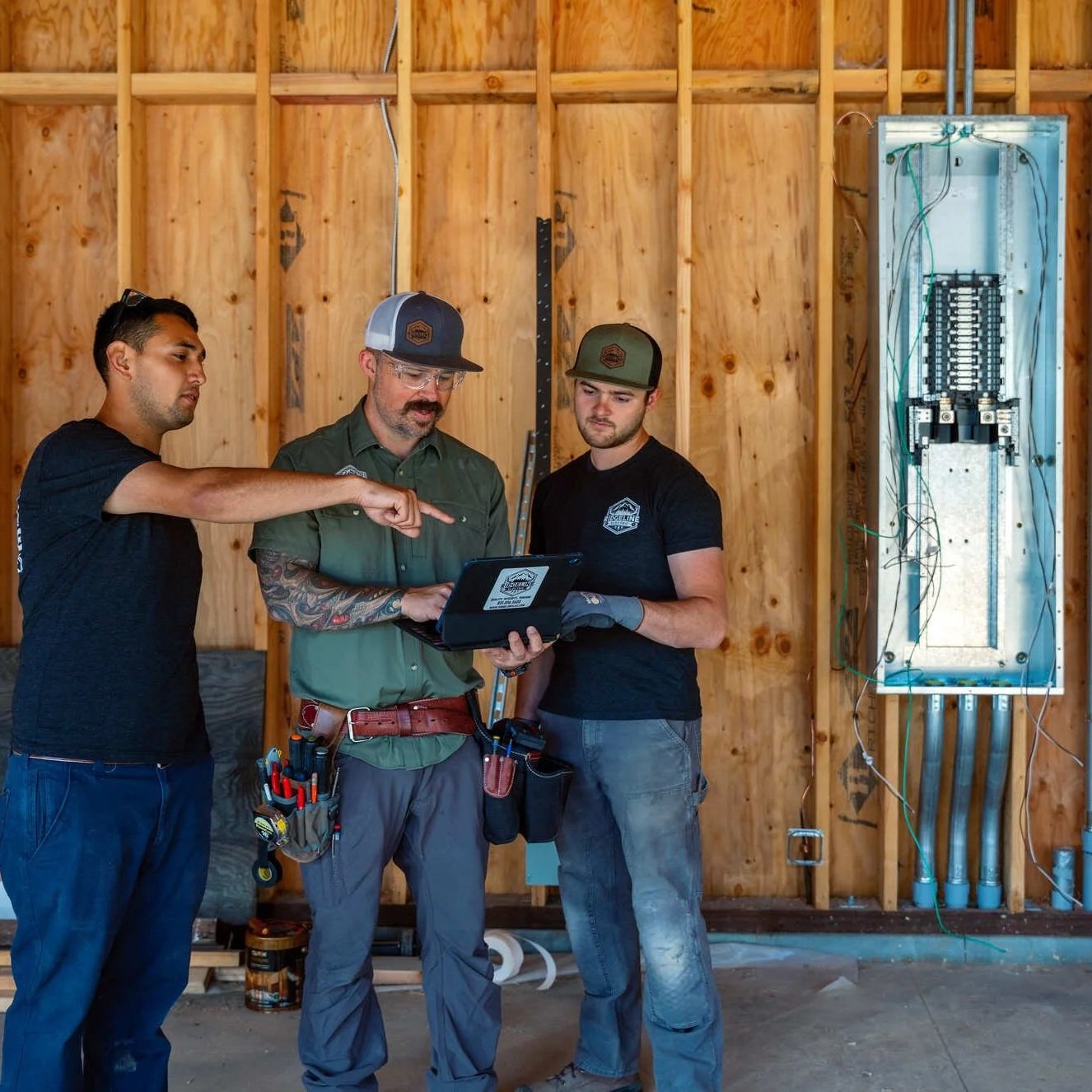
How Much Does an Electrical Panel Upgrade Cost?
Panel pricing is harder to pin down than most home-improvement work because the wires you see in the panel are only half the job. The other half is what's behind the wall, what's at the meter, and what the utility requires before they'll reconnect power.
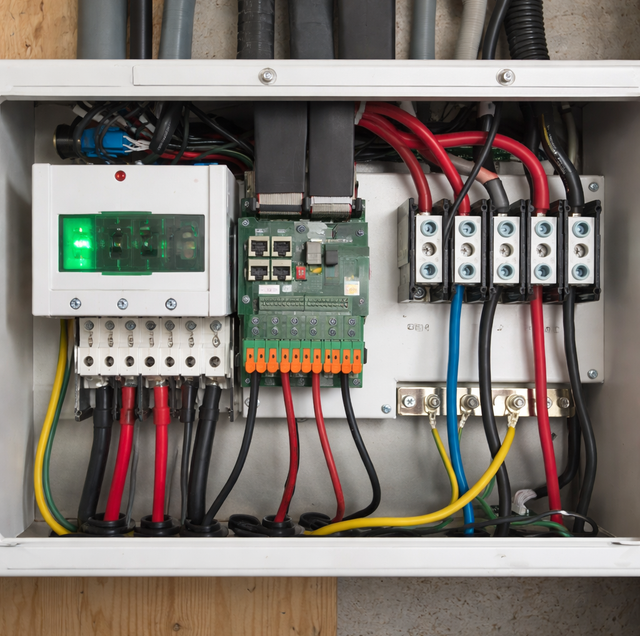
Whole-House Surge Protector: What It Guards Against
Your home runs on a nominal 120 volts at each outlet, give or take a small window that equipment is built to tolerate.
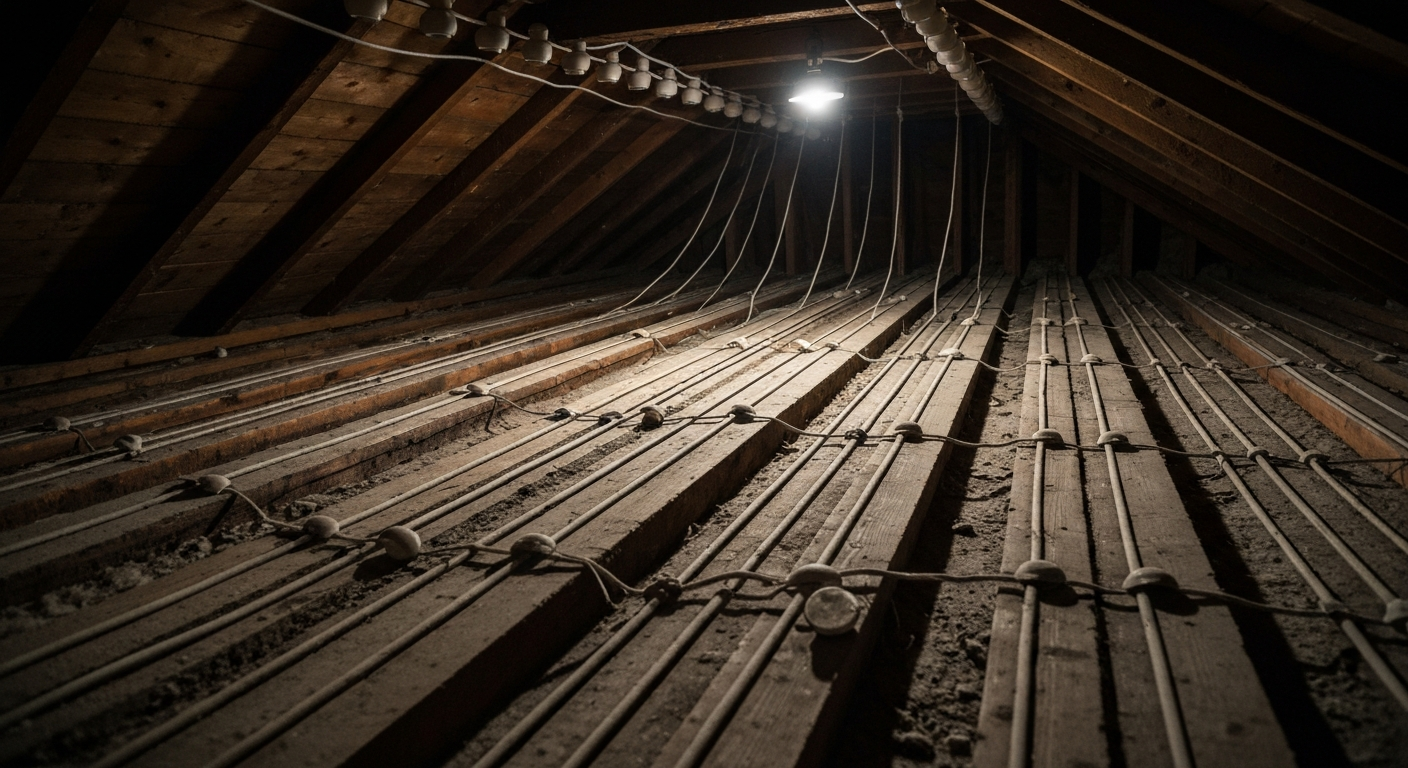
Signs Your House Needs to Be Rewired
These say "your wiring belongs to a different era of how houses used electricity." None are emergencies on their own. But each one shrinks the safety margin a modern home should have.

Why Did My Outlet Stop Working Without Tripping the Breaker?
A single GFCI receptacle is allowed to protect every outlet wired downstream of it on the same circuit.
Aluminum Wiring Signs: Is It Still Safe in Your Home?
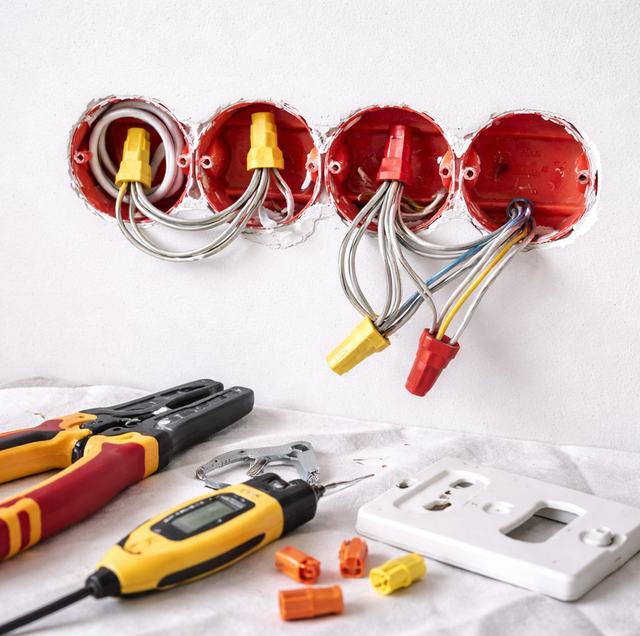
If the lights in one room dim when the microwave kicks on, or an outlet plate feels warm to the touch, the wiring behind the wall deserves a second look.
Hot Tub Dedicated Circuit: What Your Wiring Really Needs
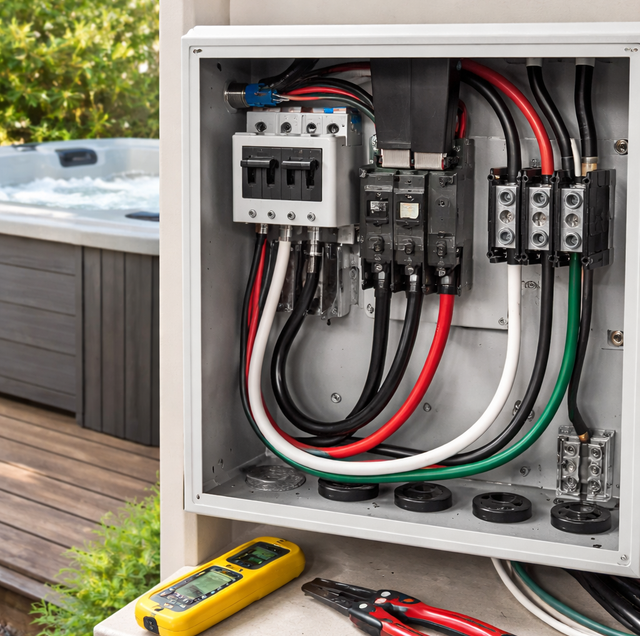
Buying a hot tub is exciting right up until the delivery crew asks where the power is coming from.