
Stop Guessing and Start Saving
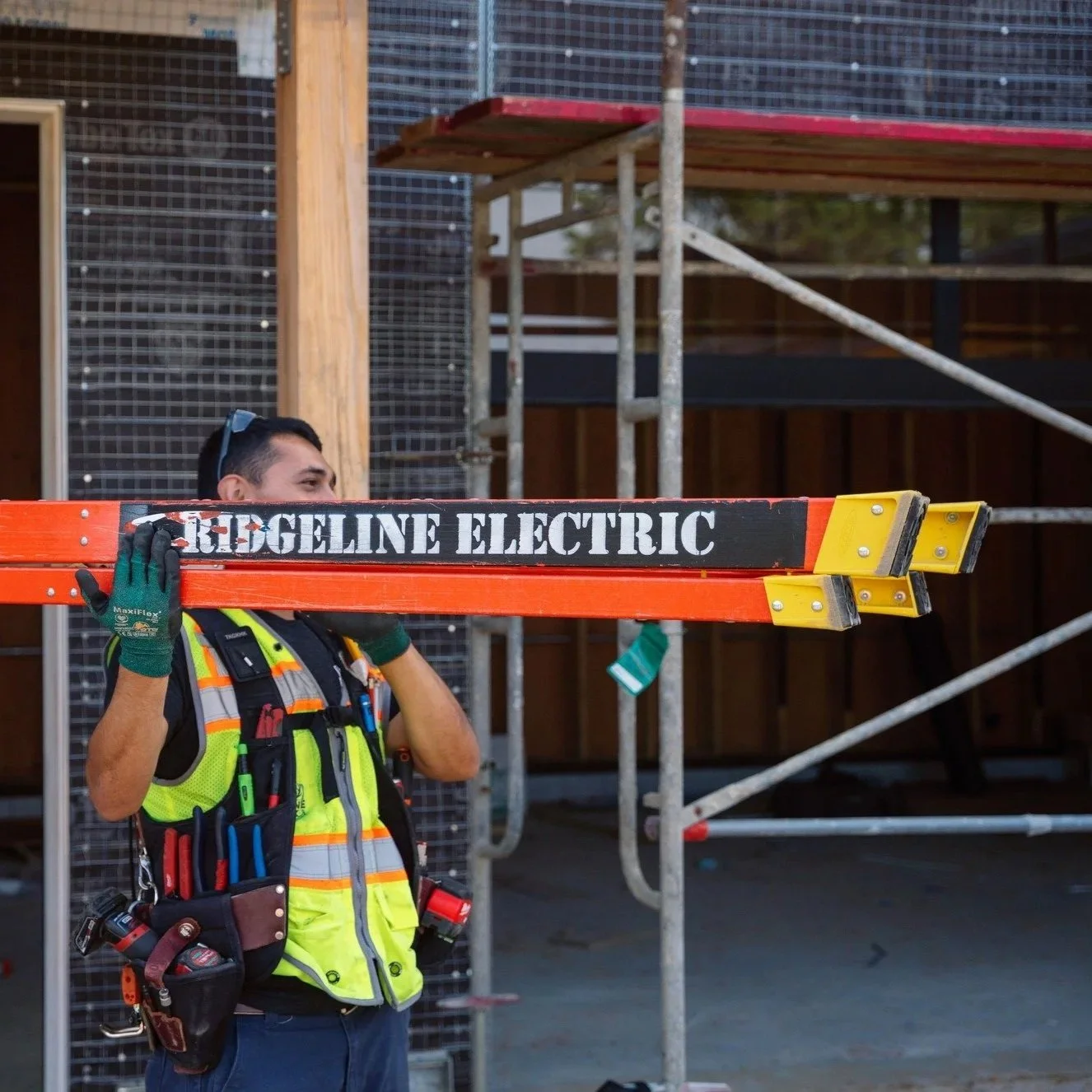
When energy costs bounce around like a pinball machine, businesses start guessing where all the power's going.
Electricity isn't free, and it's not always predictable. When energy costs bounce around like a pinball machine, businesses start guessing where all the power's going. Some overcompensate and install oversized equipment. Others underinvest and wonder why the lights flicker when the copier runs. That's where power usage monitoring steps in, like a sharp-eyed accountant for your circuits. It watches, logs, and speaks up when energy flows start acting a little too "creative."
Monitoring isn't just about preventing waste. It lays the groundwork for everything else that makes a facility hum. Too many operations are wired like a plate of spaghetti—messy, tangled, and vaguely threatening. Professionals sort that out with load balancing, which, unlike its gym-rat cousin, has zero interest in protein shakes and everything to do with keeping the lights on without flipping breakers.
The Silent Energy Thief
Power loss doesn't always show up as a smoking outlet or a tripped breaker. Sometimes it's more like a phantom—small inefficiencies adding up over time. A refrigerator is drawing more power than it should. A server rack is running hot. An HVAC system cycling every eight minutes instead of every fifteen. Left unchecked, these problems chew through dollars and shorten the lifespan of expensive gear.
Power usage monitoring tools don't just flash some numbers on a screen and call it a day. They deliver actionable insights. When professionally installed and calibrated, they tell you when your system is overloaded, underused, or drawing way more juice than it should. You don't need to be an electrician to understand the reports—but it helps to have one explain the fix.
Balancing Loads Like a Pro
Imagine a five-year-old holding a water balloon in each hand. Now give that five-year-old a third balloon and watch the disaster unfold. That's what an unbalanced electrical panel looks like. One circuit bears the brunt, while others cruise along barely contributing. Over time, the overloaded side heats, the breakers trip, and the call to your local professional becomes more urgent—and more expensive.
Load balancing evens the score. It assigns electrical tasks to circuits to spread the work, so no single line bears the entire load. It's the electrical equivalent of a well-organized assembly line: smooth, predictable, and productive. Professionals use specialized tools and experience (and no small amount of math) to map out a building's power flow and tweak the distribution accordingly.
Let the Machines Do the Talking
Smart systems don't just exist in marketing brochures anymore. With modern power usage monitoring equipment, machines can whisper (or scream) about how they're feeling. Overheating, spikes, dips, idle cycles—these things show up in the data, often before the machine itself starts making weird noises or shutting down mid-task.
Professionally installed monitoring devices can identify patterns that the human eye misses. Subtle time-of-day usage trends. Short-duration surges are tied to startup cycles. A weird uptick in power draw every Thursday afternoon. These clues help professionals diagnose problems before they morph into emergencies. Predictive maintenance becomes possible, and downtime takes a back seat.
Monitoring Isn't Micromanagement
People don't like being watched every second of the day. Fortunately, machines don't mind. They don't care about privacy, coffee breaks, or awkward hallway conversations. They just work—and they work better when someone's paying attention to their power needs.
Professional-grade monitoring systems aren't nagging tools. They're strategic allies. They create logs, send alerts, and help prioritize upgrades. Need to know which part of the building is hogging power? It'll show you. Want to catch early signs of failing equipment? Done. Looking to trim costs without disrupting operations? That's the sweet spot.
The ROI You Can Actually Calculate
Power usage monitoring and load balancing aren't feel-good upgrades. They aren't about shiny panels or touchscreen thermostats. They're about dollars and cents. Over time, they pay for themselves in reduced energy waste, fewer breakdowns, and longer equipment life. When combined with load balancing, the effect compounds—lowered demand charges, more stable voltages, and happier machinery.
Commercial clients with heavy-duty operations or complex facilities see even bigger returns. Whether it's a bakery trying to run ovens, fridges, and mixers without throwing the panel into a meltdown, or a warehouse juggling lighting, forklifts, and conveyor belts, balance is everything. Professionals work out the math, so the business doesn't have to.
Why Guessing Costs More Than You Think
Businesses don't like surprises—especially the kind that involve fried equipment, utility penalties, or entire rooms losing power in the middle of a deadline. Yet many gamble every day by guessing what's drawing power and why.
One piece of overloaded equipment can create ripple effects throughout the system. A single unbalanced load can spike your electric bill or take out neighboring circuits. And if nobody's watching? Those silent power hogs just keep draining the budget, one kilowatt at a time.
Professional monitoring and balancing eliminate the guesswork. No more head-scratching, no more speculative repairs, no more finger-pointing at the printer when it's actually the rooftop AC unit causing trouble.
Planning for Expansion Without a Rewire
Growth is great—until the lights dim every time you plug in new equipment. Many facilities build out first and think about electrical loads second. That's a recipe for breaker flips and frustrated teams.
When power usage is monitored and loads are balanced properly, professionals can assess whether your current infrastructure can handle more machines, more lights, or more people. They don't just say yes or no—they show you where the space exists, where it doesn't, and what needs to shift. That insight saves money, prevents premature upgrades, and allows for smarter planning.
Keeping Code Compliance in the Conversation
Monitoring and load balancing don't just protect the power bill—they also protect the building from violations. Electrical codes exist to prevent overloads, fires, and unsafe conditions. Unbalanced loads and unmanaged spikes raise red flags during inspections.
When professionals design and maintain your monitoring and load systems, you're staying within the safe zone. Equipment runs cooler, panels stay organized, and circuits follow their assigned roles. That's peace of mind during inspections and one less thing to worry about when renewing permits or upgrading equipment.
Power Data Is Business Data
Power trends reveal a lot more than just how much juice the vending machine uses. They show workflow patterns. They highlight which departments hum with activity and which sit idle. They even expose behavior changes—like the fact that your third shift started using more equipment than your second.
Power monitoring creates a new lens for understanding how a business operates. Professionals use that data not just to tweak circuits but to advise on operational efficiency. Knowing when to run machines, how to stagger cycles, and when to shut down unused systems can lead to real-time savings.
The Tools Matter—So Does the Installation
Off-the-shelf power meters might flash a few numbers, but they don't match the accuracy and capabilities of professional-grade systems. Sensors, load analyzers, panel monitors—these tools require knowledge to install and calibrate. Misreading data or installing equipment in the wrong place can lead to bad decisions and wasted time.
That's why businesses turn to professionals who don't just plug things in. They interpret the data, adjust the wiring, rebalance the load, and leave behind a system that works smarter, not harder.
Don't Fix What Isn't Broken—Track It Instead
Some equipment doesn't need fixing—it needs babysitting. Motors that occasionally run hot. Compressors that hum a little louder in summer. Lighting that's always "just about" due for replacement. Power usage monitoring keeps tabs on those quirks, turning anecdotal hunches into solid information.
When professionals monitor rather than replace, they catch declining performance early and schedule targeted service. That means fewer emergency repairs, less downtime, and a maintenance schedule that fits the business—not the other way around.
Balancing Energy With Common Sense
No two businesses draw power the same way. Some blast air conditioning 24/7. Others pulse with energy during shift changes. Load balancing is about matching your actual needs to your available infrastructure without overcompensating or crossing your fingers.
Professional electricians use a mix of monitoring, calculation, and hands-on expertise to fine-tune the setup. They don't guess or gamble. They balance your system like a tightrope walker with a spreadsheet—and a toolbelt.
Modern Power With No Drama
Technology doesn't have to be flashy to work wonders. Power usage monitoring and load balancing are quiet operators. They don't blink neon or beep loudly. They just keep everything else working better.
For businesses that want fewer electrical surprises and more predictable performance, that's worth the call. Professionals step in, map the power landscape, balance the loads, and leave behind systems that make sense—even on a Monday morning.
Home and business owners across Santa Cruz County rely on the licensed experts at Ridgeline Electric for electrical panel upgrades & replacement, whole-home rewiring & new construction wiring, and lighting design & LED retrofit services. We boast over two decades of experience, providing code-compliant electrical solutions. Trust our licensed professionals for top-quality electrical solutions. Call to get a free estimate today.
