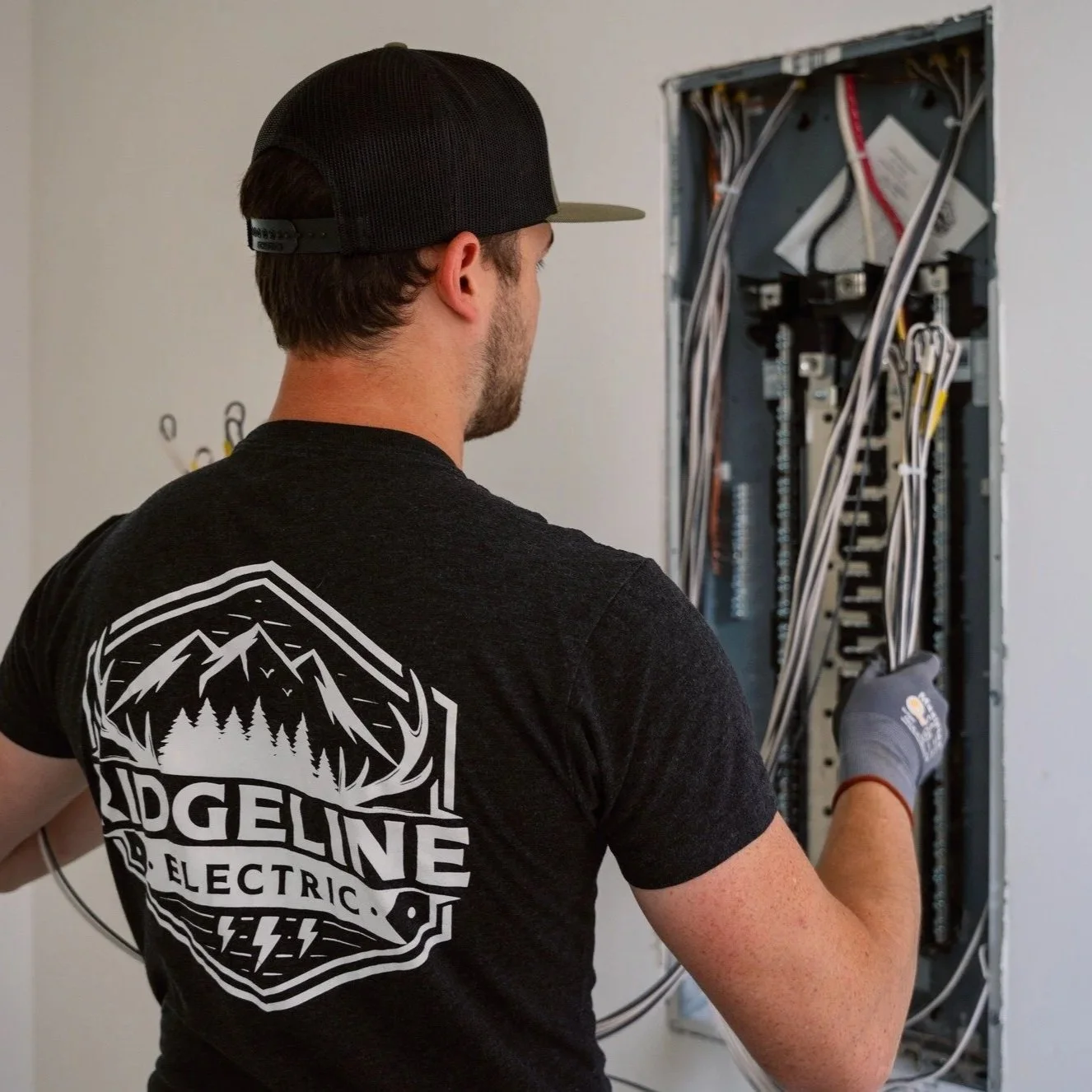
If breakers trip regularly, buzz mysteriously, or play favorites by keeping some parts of the house lit, it’s time for an upgrade.
An electrical panel is supposed to protect, distribute, and manage power—not throw a tantrum every time someone uses the microwave and dishwasher at the same time. If breakers trip regularly, buzz mysteriously, or play favorites by keeping some parts of the house lit, it’s time for an upgrade.
Electrical panel upgrades take the guesswork out of power management. They replace the outdated, overwhelmed, and potentially unsafe equipment with systems that actually like your appliances. No more resetting breakers after every pot of coffee or waiting for the dryer to finish before switching on the lights in the hallway.
The Golden Age of Panels Wasn’t That Golden
Panels installed in the ‘60s, ‘70s, and ‘80s worked fine for a while. But homes back then didn’t host home offices, smart thermostats, multiple gaming consoles, and electric vehicles. Those panels weren’t designed for today’s electrical appetite. They’re running on fumes while your devices are running at full tilt.
Professionals assess whether the panel’s amperage and configuration meet current demands. When it doesn’t, the only solution is a clean replacement. Upgrading isn’t a luxury—it’s the difference between a reliable system and one that groans every time the blender roars to life.
Overcrowded Panels Need More Than Breathing Room
When every slot on the panel is filled, and breakers start doubling up, problems pile on quickly. Overcrowding can lead to overheating, unreliable power distribution, and circuits sharing space in ways that aren’t just inconvenient—they’re dangerous.
Electrical panel upgrades create space and order. New panels provide extra breaker slots, organized circuit mapping, and plenty of room to grow. That means no more double-tapped breakers, mislabeled circuits, or flipping switches in hopes that one powers the living room instead of the attic fan.
Buzzing, Popping, and That Burnt Toast Smell
Panels shouldn’t make noise. They shouldn’t smell odd. And they definitely shouldn’t emit heat or smoke. Any of those symptoms suggests that the panel isn’t just outdated—it’s at risk of failure. And failure, in this case, doesn’t mean “minor inconvenience.” It means fire hazards, appliance damage, and system-wide outages.
Electricians don’t just replace the panel—they inspect the wiring connected to it. They look for melted insulation, arcing, and corrosion. The new panel becomes a clean slate, not just a bandage on a broken system. It’s safer, cooler, and far less dramatic.
Old Panels Play Favorites (And Not in a Good Way)
Some circuits pull more than their share, leaving others starved for power. One room might run everything without issue, while another flickers like it’s haunted. That kind of imbalance usually traces back to poor load distribution—and old panels are the worst offenders.
Electrical panel upgrades bring balance back to the home. Electricians map out demand, assign dedicated circuits where needed, and distribute power based on actual usage. That stops the lopsided flow and helps every room perform equally well—without the haunted-house vibes.
Panels Shouldn’t Sound Like a Rainstick
Crackling, clicking, or popping sounds near the panel should never be ignored. Those sounds are often signs of arcing—where electricity jumps across gaps in loose connections. It’s not just noisy. It’s dangerous.
New panels eliminate loose terminals, failing breakers, and mismatched components. Everything connects securely. Wires sit cleanly inside their slots. Breakers fit tightly and trip properly. No more noise. No more risk. Just a silent box doing its job like a well-trained bouncer for your electrical system.
Outdated Brands Come With Baggage
Some panel brands have developed a reputation for the wrong reasons. Federal Pacific and Zinsco, for example, are well known in the industry for all the problems they’ve caused. Their breakers sometimes fail to trip, even when the system is dangerously overloaded.
Electricians offering electrical panel upgrades don’t patch up those brands—they replace them. New UL-listed panels from reliable manufacturers offer the safety features legacy brands never did. Breakers trip when they should. Systems shut down when needed. And the entire panel starts acting like a professional again.
Amperage Upgrades Make Room for Growth
Most older panels were built for 100-amp service, which sounded like plenty back when televisions were furniture. Today, homes often require 150 to 200 amps—or more—to keep up with charging stations, central HVAC, and a few people working from home full-time.
Upgrading the panel also increases the amperage supply. Electricians work with utility companies to upgrade the service line and install a panel that fits the load. That way, the lights stop flickering when the dryer’s on, and nobody has to unplug anything just to run the oven and the vacuum in the same hour.
Dedicated Circuits for Appliances That Deserve Better
Appliances like refrigerators, microwaves, washers, and dryers don’t like sharing. Running multiple high-draw items on the same circuit leads to performance issues and more frequent trips. That’s a sign the panel wasn’t designed with your lifestyle in mind.
Panel upgrades offer the chance to correct those missteps. Electricians add dedicated circuits for large appliances, giving each one its own protected path to power. The result? Fewer interruptions, better performance, and happier appliances that no longer feel like they’re fighting for attention.
Smart Home Features Need Smart Power
Smart thermostats, automated lighting, digital doorbells, and home monitoring systems all require reliable power. When the panel’s flaky, those devices disconnect, fail to update, or reset themselves at the worst moments—like when someone’s on vacation.
Modern panels support these features with steady voltage, clean circuit mapping, and protected backup options when needed. Electricians build in the flexibility for smart devices to thrive, rather than glitch out every time the weather changes or a neighbor flips their breaker.
Labeling That Doesn’t Require a Psychic
Many old panels look like a mad scientist labeled them in a hurry. “Front left outlet?” Which room is that? “Downstairs lights?” There are four sets. Guess wrong, and suddenly the fridge loses power or someone’s mid-shower in the dark.
Electricians take labeling seriously during panel upgrades. They organize and label each breaker clearly and logically. Every outlet and light fixture is accounted for. No one has to play trial and error when the breaker needs flipping—or when an emergency demands fast action.
Surge Protection Built In, Not Tacked On
Whole-home surge protection used to be an afterthought. Now it’s an essential part of any upgrade. With sensitive electronics in every room—from TVs to tablets to thermostats—it only takes one power spike to cause serious damage.
Electricians install surge protection directly in the panel. It protects every circuit, not just the ones tied to plug-in strips. That means peace of mind during storms, outages, and those odd utility blips that seem to hit right when someone’s online shopping cart is full.
Panels That Look as Good as They Perform
A new panel isn’t just about performance. It’s about presentation. Old panels with chipped paint, rusted doors, or exposed wiring don’t exactly say “safe and sound.” They scream “patch job.”
Panel upgrades come with clean installations, tidy wire management, and weather-appropriate enclosures. Whether it’s located in a garage, basement, or side wall, the finished panel looks intentional—not like an afterthought that’s aged poorly.
Insurance Companies Are Watching Too
Outdated panels aren’t just a safety concern. They’re a liability in the eyes of insurance providers. Some carriers refuse to insure homes with known problem panels. Others charge more. None are thrilled to find a 60-year-old box powering a modern lifestyle.
Upgrading the panel can help avoid premium hikes and streamline the inspection process when buying, selling, or refinancing. It’s not just a safety decision—it’s a financial one with immediate benefits.
When Panels Upgrade, So Does Peace of Mind
The panel is the heart of the home’s electrical system. When it’s outdated, everything feels a little off. The lights flicker—the breakers trip. The appliances sound tired. When it’s upgraded, the home hums along quietly—and confidently.
Electricians who specialize in electrical panel upgrades build systems that match the home’s needs now and down the road. More capacity. Better safety. Fewer surprises. Outdated panels might have had their moment, but they’ve finally met their match. The future is bright—and the right panel powers it.
Home and business owners across Santa Cruz County rely on the licensed experts at Ridgeline Electric for electrical panel upgrades & replacement, whole-home rewiring & new construction wiring, and lighting design & LED retrofit services. We boast over two decades of experience, providing code-compliant electrical solutions. Trust our licensed professionals for top-quality electrical solutions. Call to get a free estimate today.
