
Recharging Homes from the Inside
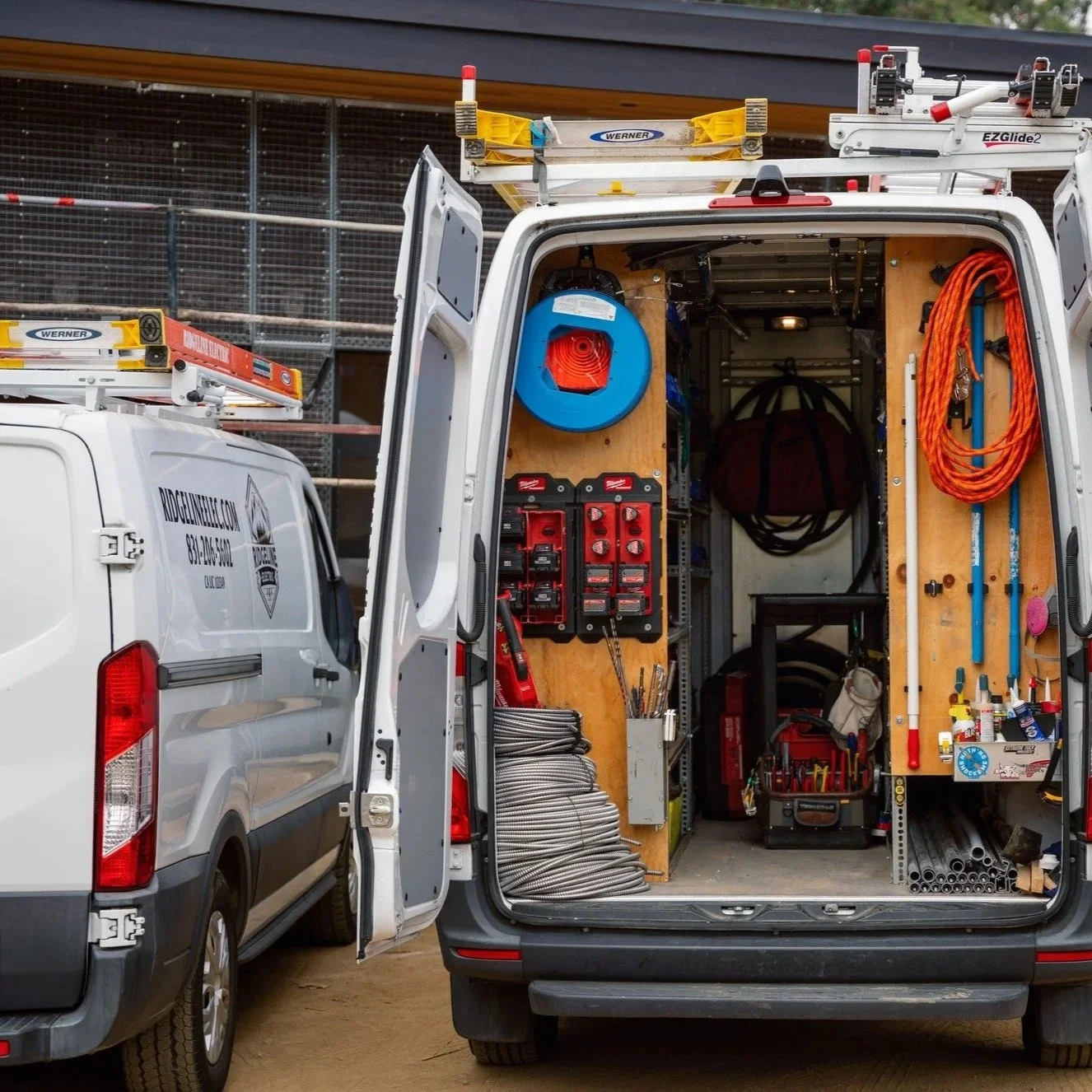
Electricians approach the job like electrical detectives, tracking the signs of aging systems and replacing them with a safe, powerful foundation for modern living.
Some homes carry their age quietly. Hardwood floors might be polished. Trim might be crisp. But behind the walls, wires could be whispering a different story—one filled with flickers, trips, and occasional sparks that no homeowner wants to see. That’s where whole-home rewiring steps in, giving tired systems a total recharge from the inside out.
Electricians approach the job like electrical detectives, tracking the signs of aging systems and replacing them with a safe, powerful foundation for modern living. No more extension cords doubling as décor, and no more wondering whether plugging in a space heater will knock out the kitchen lights.
Today’s Homes Demand More Power Than Ever
A single circuit might have handled the family’s needs back in the rotary phone era. But in a world full of smart appliances, flat-screen TVs, gaming consoles, and at least three devices charging in every room, that setup no longer works—overloaded circuits trip. Outlets heat up. Breakers cry for help.
Whole-home rewiring creates circuits designed for today’s electrical loads. Each room gets the power it needs, without sharing vital circuits with other high-demand zones. Living spaces become more reliable, appliances run better, and nobody has to flip breakers after every load of laundry.
The Hidden Dangers Behind Old Walls
Outdated wiring doesn’t always come with warning signs. Sometimes it hums quietly behind freshly painted walls, waiting until the worst possible moment to cause trouble. Knob-and-tube wiring, brittle insulation, and DIY “fixes” from decades past are all common culprits.
Rewiring eliminates those fire risks entirely. Electricians remove old conductors and install modern copper wiring, grounded and protected with up-to-date safety features: no more shortcuts, attic splices, or junction boxes hanging by a thread.
Aluminum Wiring Doesn’t Age Gracefully
In the mid-20th century, aluminum wiring appeared in thousands of homes as a copper alternative. It was affordable. It was accessible. And over time, it became notorious for expanding, contracting, and oxidizing, creating serious fire hazards.
Electricians remove aluminum during whole-home rewiring projects, replacing it with stable, high-quality copper that handles modern electrical demands. No more flickering lights when the vacuum starts up. No more singed outlets from a warm plug. Just steady, dependable power every time the switch is flipped.
Panels That Match the Power Behind the Scenes
A home’s electrical panel acts as its command center. If it’s undersized, outdated, or missing room for future expansion, even the best wiring system can’t shine. Panels from decades ago weren’t designed to handle today’s electrical appetite.
Whole-home rewiring includes an updated panel, typically upgraded from 100 to 200 amps or more. That means more breaker space, better circuit organization, and a lower risk of overload when someone decides to run the air fryer and the home office at the same time.
Outlets Shouldn’t Feel Like a Scavenger Hunt
One of the fastest ways to spot an outdated electrical system? Power strips stacked on power strips. When a single outlet powers everything from the lamp to the laptop charger, the system is asking for help.
Whole-home rewiring allows electricians to place outlets where people actually use them. That includes living rooms with entertainment systems, kitchens with multiple prep zones, and bedrooms where everyone wants to charge three things overnight. More access means fewer hazards—and less crawling under furniture to find a plug.
Grounding That Keeps Everyone Safer
Modern wiring relies on grounding for safety. It’s the invisible safety net that catches stray currents before they can do damage. Unfortunately, older homes often lack grounding altogether—or worse, appear grounded while silently skipping the safety part.
During rewiring, electricians connect every outlet and fixture to a reliable grounding system. From the panel to the final outlet, that extra layer of protection keeps electronics intact and reduces the risk of shocks. It also brings the system into full code compliance.
Kitchen Power That Doesn’t Compete for Attention
The kitchen might be the heart of the home, but it’s also the most power-hungry room. Mixers, ovens, refrigerators, microwaves, dishwashers—all competing for power on circuits that were once designed for a radio and a coffee pot.
Electricians wire kitchens with dedicated circuits for every major appliance. No more dimming lights when the fridge compressor kicks in. No more flipping breakers when the toaster and kettle share a plug. The kitchen becomes efficient, organized, and stress-free—even on a holiday baking marathon.
Bathrooms That Don’t Trip Over Steam and Sockets
Bathrooms combine water, heat, and appliances in a compact space, which makes electrical safety a non-negotiable. Unfortunately, older homes rarely offer GFCI protection in these damp environments, leaving users vulnerable to shocks from hairdryers, razors, or fogged-up vanity lights.
Whole-home rewiring includes GFCI installation and code-compliant wiring for every outlet and light fixture. Electricians install ventilation fans on their own circuits, provide dedicated power for bidets or towel warmers, and keep moisture-related risks firmly under control.
Lighting That Shines (Without Buzzing)
Lighting shouldn’t buzz, flicker, or hum. That’s not ambiance—it’s a sign the wiring behind the fixture can’t keep up. Old conductors may struggle to carry current efficiently, and outdated dimmers may not play nicely with LED technology.
Rewiring brings lighting into the modern age. Electricians install compatible dimmers, clean wiring paths, and dedicate circuits for decorative fixtures or recessed LED systems. The result? Consistent, smooth lighting that doesn’t fight back when dimmed or switched on.
Bedrooms Built for Comfort, Not Compromise
Bedrooms might not demand heavy appliances, but they still rely on power. Lamps, ceiling fans, phone chargers, white noise machines, and electric blankets all add up. In older homes, they’re often wired to shared lighting circuits or outlets lacking proper grounding.
Electricians use whole-home rewiring as an opportunity to refresh bedroom circuits completely. That includes ceiling fan wiring, smart switch compatibility, and enough outlets to plug in without running a cord across the room. Every nightstand finally has its own power supply—no awkward splitter needed.
The Garage Isn’t Just for Storage Anymore
Modern garages serve multiple functions: workshops, gyms, EV charging stations, or even flex offices. None of those tasks thrives with one bare bulb and an outlet next to the water heater.
During rewiring, electricians bring the garage up to speed with dedicated circuits, proper lighting, and support for tools or chargers. Weather-resistant outlets, GFCIs, and well-placed lighting make the garage as functional as the rest of the house—maybe more.
A Safer, Smarter Exterior
Outdoor spaces often run on an outdated system—or no system at all. That means plugging in string lights or power tools becomes a guessing game of tripping breakers or hoping for dry weather.
Whole-home rewiring includes exterior outlets, installed adequately on GFCI circuits with weatherproof covers and protected conduit. Motion lights, powered pergolas, and electric grills get the support they need without risking damage or downtime.
Low-Voltage Systems Get the VIP Treatment
Security cameras, intercoms, smart thermostats, speaker systems—they all run on low-voltage wiring that often gets added after the fact, squeezed into awkward spots and snaked through vents. During a rewire, electricians plan these systems into the structure itself.
They install conduit paths, structured media panels, and clearly labeled wiring runs. The low-voltage system runs clean and organized, without tangled wires hiding behind entertainment centers or routers stuffed in a linen closet.
Labels, Logic, and Long-Term Thinking
One of the underappreciated joys of a rewired home? A panel that makes sense. Instead of guessing which breaker runs the guest room or hoping “west side sockets” means something to someone, everything is labeled, mapped, and built for clarity.
Electricians take the time to organize panels logically, group circuits in a way that reflects their actual use, and label every breaker with permanent, readable tags. That makes troubleshooting, upgrading, and expanding easier for every homeowner—and every future electrician.
Inspections Made Easy
Whole-home rewiring includes obtaining electrical permits and coordinating inspections. Electricians welcome the process. Their work stands up to a close look. Inspectors find clean wire runs, properly sized breakers, proper outlet spacing, and grounding.
Passing inspection isn’t just a box to check. It confirms that the home is safer, smarter, and built with a level of professionalism that lasts far beyond drywall and paint.
A Quiet Upgrade with Powerful Results
Whole-home rewiring doesn’t shout its presence. It works in silence. No sparks. No buzzing. No mystery outages when someone uses the microwave and the blow dryer at the same time. It just works—every switch, outlet, and circuit performing exactly as it should.
Electricians make that possible by stripping away the patchwork and replacing it with structure, clarity, and confidence. A rewired home feels different. Not louder. Not flashier. Just smarter. Safer. And ready to handle whatever its owners plug into next.
Home and business owners across Santa Cruz County rely on the licensed experts at Ridgeline Electric for electrical panel upgrades & replacement, whole-home rewiring & new construction wiring, and lighting design & LED retrofit services. We boast over two decades of experience, providing code-compliant electrical solutions. Trust our licensed professionals for top-quality electrical solutions. Call to get a free estimate today.
