Most older electrical panels were designed for a different lifestyle—one without induction cooktops, wall-mounted air conditioning, or the ever-present glow of screens in every room.
Panels aren’t sentimental. They don’t need to hang around just because they’ve been doing the job for decades. Most older electrical panels were designed for a different lifestyle—one without induction cooktops, wall-mounted air conditioning, or the ever-present glow of screens in every room.
When a home’s needs grow, and the panel hasn’t kept up, it’s like asking a rotary phone to handle video calls. Modern life demands more power, smarter safety, and a panel that can carry the load without wheezing.
Clues That Point to a Panel Problem
When breakers start tripping because someone turned on the coffee maker and the toaster at the same time, something’s off. Lights dim randomly. Outlets feel warm. Maybe the panel hums like it’s hiding a secret. All of these signals suggest that the panel has overstayed its welcome.
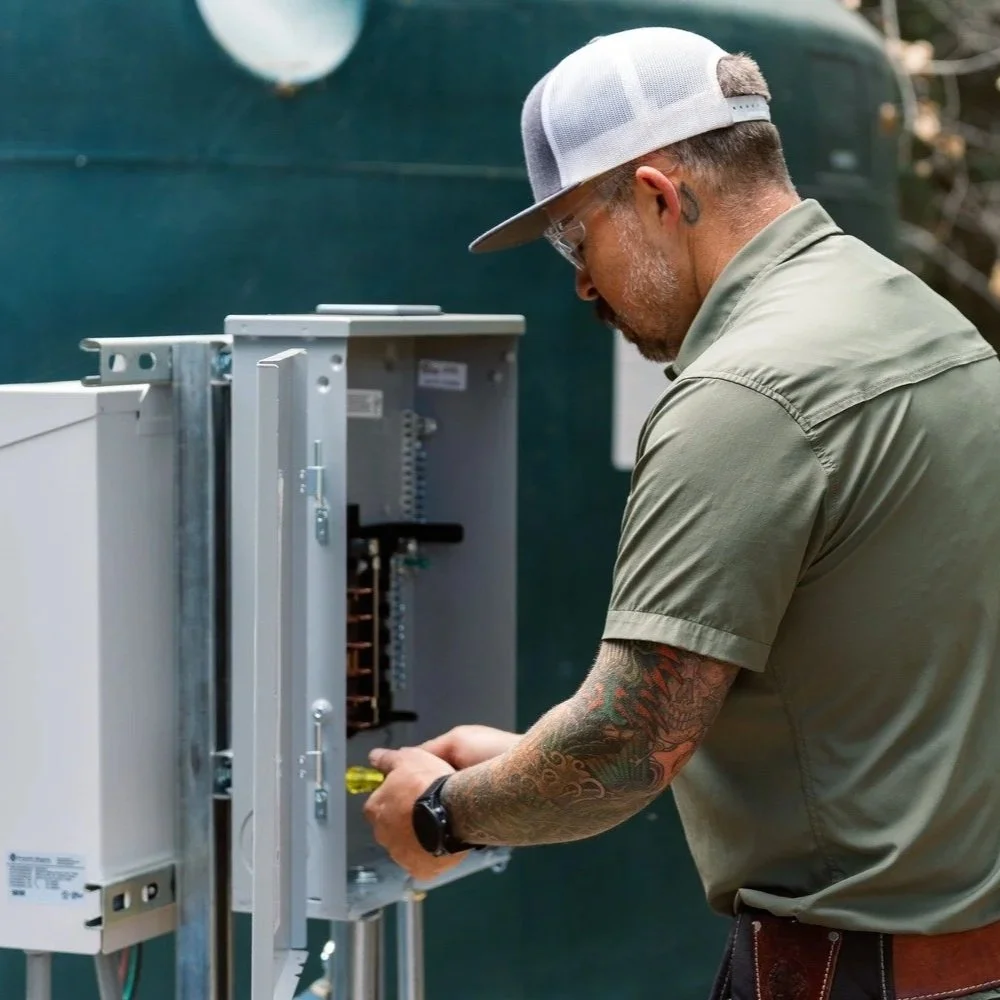
Electrical panel replacements address these symptoms by doing more than just switching out old for new. Professionals assess the entire system, down to how circuits are grouped and whether the current panel has room for upgrades. A fresh panel brings clarity—and capacity.
Appliances Shouldn’t Compete for Power
A modern kitchen can be an all-out electrical battlefield. Microwaves, dishwashers, and double ovens don’t like sharing. Neither do high-powered washers, dryers, or water heaters. Yet outdated panels often ask these heavy hitters to live together on overloaded circuits.
Panel replacements allow dedicated breakers for appliances that deserve their own lane. Electricians plan smarter load distribution so every high-draw device gets the reliable flow it needs. No more blinking lights every time someone reheats leftovers.
The Joy of a Quiet Breaker Box
Panels shouldn’t crackle, click, or hum. Silence is golden—especially when electricity is involved. Strange sounds usually signal trouble: arcing connections, loose wires, or worn-out breakers that don’t know when to trip and when to stay put.
With electrical panel replacements, those noises vanish. Everything inside the new box fits snugly. Breakers snap into position. Wires stay tucked, secured, and out of the way. A panel that runs quietly is a panel doing its job right. Plus, the cat no longer stares at it suspiciously.
Out With the Old, Especially the Dangerous
Some panels aren’t just outdated—they’re infamous. Federal Pacific and Zinsco brands often make inspectors sigh, and insurance agents squirm. Breakers in these panels have a nasty habit of failing to shut off during overloads. That’s not quirky. That’s dangerous.
Replacements make these problems disappear. New panels from reputable manufacturers restore the reliability that enables appliances to function properly, homes to stay lit safely, and insurance policies to remain valid.
The Amperage Game Has Changed
In the past, 60 or 100 amps served homes without central air or a dozen electronic devices per room. Today, 150 or 200 amps is more the norm—especially for homes with EV chargers, upgraded HVAC, or significant family energy.
Professionals recommend panel upgrades based on real usage. They look at everything from square footage to seasonal draw, then size the panel accordingly. Suddenly, the home feels less like it’s juggling and more like it’s confidently powering through the day.
Not Every Breaker Deserves a Roommate
When a panel runs out of space, double-tapping starts. That’s when two circuits share a breaker, and no one’s happy about it. The breaker trips too easily, wires crowd together, and the entire setup becomes both inefficient and risky.
Panel replacements offer room to breathe. Electricians add more slots, reorganize the layout, and eliminate those awkward pairings. Every circuit has its own place, and the panel stops looking like a game of breaker Tetris.
Power to Grow Without Guesswork
Remodeling a kitchen? Adding a hot tub? Finally putting in that backyard workshop? The panel should support all of it. Unfortunately, old panels don’t leave much room for expansion. They’re already full, running warm, and sweating over every new circuit.
Electrical panel replacements allow for smart planning. Professionals leave open slots and build in extra capacity so homeowners don’t need another upgrade every time something plugs in. The result? A future-proofed panel that invites growth instead of flinching at it.
Labeling That Makes Actual Sense
Too many old panels feature handwritten notes like “LR plug maybe” or “bedroom or kitchen??” Circuit labeling shouldn’t be a puzzle. During a replacement, professionals trace every wire, test every outlet, and label everything clearly—permanently.
Future repairs or modifications become simple. No more flipping breakers blindly to figure out which one powers the garage light. It’s all mapped, logged, and readable. And if a service tech needs to shut off a specific area, there’s no need for wild guesses.
Smart Panels for Smart Homes
Smart technology is only as reliable as the power behind it. A flicker in the panel can mean thermostat resets, frozen security feeds, or glitchy lighting schedules. That defeats the purpose of automation altogether.
Modern electrical panel replacements support these systems with steady voltage, better surge protection, and optional smart modules that offer real-time diagnostics and control. The entire home ecosystem runs more smoothly. Smart devices finally act the part.
Surge Protection That Doesn’t Rely on Power Strips
Plug-in surge protectors offer limited defense. They cover a few outlets but leave the rest of the house exposed. Whole-home surge protection starts at the panel—where it matters most.
Professionals often recommend including surge protection during panel replacement. It shields every connected device from sudden voltage spikes caused by lightning, power company issues, or even large appliances turning on. No sparks. No fried TV. Just quiet, confident power.
Permits, Inspections, and a Professional Touch
Replacing a panel isn’t as simple as swapping one box for another. It’s a project that involves permits, code compliance, and utility coordination. Experienced electricians handle all the logistics—so homeowners don’t have to memorize the NEC code or chase down city inspectors.
The finished panel meets current safety standards, passes inspection with flying colors, and brings the system into compliance with modern standards. That goes a long way toward satisfying insurance companies, buyers, and every other set of eyes watching the upgrade process.
Every Room Deserves Equal Power Privileges
Outdated panels often play favorites. Some rooms have rock-solid power while others flicker like it’s Halloween. That’s usually a sign of uneven load balancing or underpowered branch circuits.
During a replacement, electricians reassign circuits based on actual use. Rooms with higher demand receive upgraded connections. Lighting, outlets, and built-in devices get power delivered cleanly and consistently. Every part of the home shines equally.
Garages and Outdoor Spaces Get a Boost
Garages used to handle little more than a single bulb and maybe a chest freezer. Today, they power saws, air compressors, deep freezers, and EV chargers. Outdoor kitchens, patio lighting, and hot tubs also call for upgraded electrical support.
Panel replacements give these areas the love they’ve been missing. Dedicated circuits, GFCI protection, and safe outdoor-rated wiring make garages and backyards just as functional—and fun—as the rest of the house.
Panel Upgrades Increase Home Value
Smart buyers look beyond countertops. They want systems that won’t break under modern demand. A home with a new panel stands out. It says, “Someone took care of the essentials.” That’s appealing during home sales and refinancing.
Electricians provide documentation and inspection reports that confirm the upgrade. That adds peace of mind for future homeowners, buyers, and appraisers alike. Sometimes the most valuable improvements are the ones behind the walls.
The Power to Stop Worrying
Electrical panels don’t need to be flashy. They need to work—every day, without fuss, without flickers, and without stress. Replacing an old panel brings the quiet confidence that every plug, switch, and outlet has the power it needs.
Electricians make the change without disrupting the rest of the home. Power goes off, new circuits go in, labels make sense, and everything runs more efficiently than before. It’s a new box, the same address, and way more power where it counts.
Home and business owners across Santa Cruz County rely on the licensed experts at Ridgeline Electric for electrical panel upgrades & replacement, whole-home rewiring & new construction wiring, and lighting design & LED retrofit services. We boast over two decades of experience, providing code-compliant electrical solutions. Trust our licensed professionals for top-quality electrical solutions. Call to get a free estimate today.
