More Circuits Less Stress
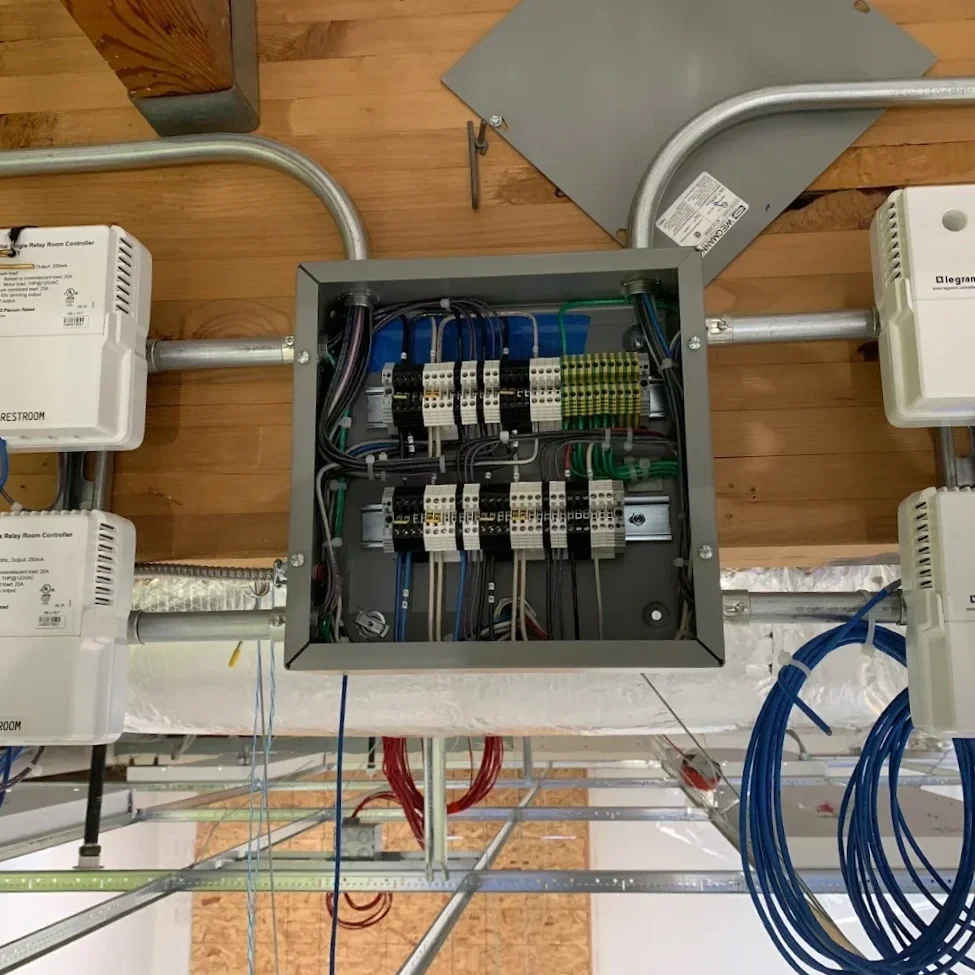
Subpanel installation steps in as the low-drama, high-impact solution.
Most homes start with one main electrical panel. That panel does the heavy lifting for years—until it doesn't. Eventually, it starts to feel like a game of breaker musical chairs. One new appliance means bumping something else, and every circuit feels stretched. Subpanel installation steps in as the low-drama, high-impact solution. No more overburdened panels. No more crossed fingers during laundry and microwave marathons.
Electricians install subpanels to extend circuit capacity without replacing the entire main panel. It's a smart move when square footage grows, garages become workspaces, or the basement turns into a home theater with more plugs than pillows. A subpanel doesn't just add circuits. It adds flexibility, safety, and breathing room.
Why Overcrowded Panels Cause Headaches
Crowded panels create stress in every wire. When circuits double up or trip repeatedly, the panel isn't keeping up. Each overloaded connection becomes a hot spot, and eventually, the system starts saying no. Breakers trip more often, or worse—they stop tripping when they should.
Professionals recognize these warning signs quickly. During subpanel installation, they free up space in the main panel and spread out the electrical load. Circuits gain independence, breakers stop fighting for space, and the whole house becomes noticeably calmer.
Subpanels Make Additions Feel Natural
Home additions bring light, space, and usually a mess of power needs. A new bedroom calls for outlets and lighting. A sunroom begs for ceiling fans and a mini-split HVAC system. The kitchen expansion wants its own set of GFCI outlets, task lighting, and appliances. Suddenly, the main panel waves a white flag.
Subpanel installation makes those projects possible without triggering a full electrical overhaul. Electricians wire the new subpanel close to the addition, reducing cable runs, improving efficiency, and making future maintenance easier. Everything blends in without overwhelming the original system.
Garages Deserve More Than One Outlet
The standard garage setup—a lone light bulb and a couple of wall plugs—stopped cutting it around the time people started charging e-bikes, running power tools, and turning garages into gyms. A subpanel in the garage brings proper muscle to a space that's pulling triple duty.
Electricians install subpanels specifically for these zones. Circuits branch out cleanly to support lighting, outlets, ventilation, and charging stations. Subpanels also allow safer GFCI protection and weather-rated enclosures when needed—no more power juggling or extension cord gymnastics.
Workshops and Sheds Can Power Up Too
Outbuildings often have big ambitions and very little power. Whether it's a detached studio, a workshop, or a backyard office pod, those remote spaces need their own circuits—and the main panel probably isn't close or readily available.
Subpanel installation allows electricians to wire power exactly where it's needed, with clean, direct lines and breaker access that makes sense. Instead of dragging power from the main house, the outbuilding gains independence, safety, and reliability. Tools stop stalling mid-cut, and laptops stop complaining during Zoom calls.
More Circuits Mean More Control
Main panels quickly become jumbled after a few renovations and additions. Labels fade. Circuits double up. Someone's microwave is mysteriously linked to the hallway light. A subpanel brings clarity by organizing circuits by location or use.
Professionals use subpanels to separate high-demand areas from general loads. One subpanel might handle kitchen upgrades, while another supports HVAC or solar inverters. It's cleaner, safer, and far easier to troubleshoot when something goes wrong.
No One Wants a Tripping Breaker at Six A.M.
Early-morning chaos doesn't need extra help. When coffee machines, blow dryers, and space heaters trip breakers during the morning routine, the whole house groans. Subpanels help stop the madness by distributing those power-hungry appliances across dedicated circuits.
Electricians evaluate usage patterns and assign circuits accordingly. Instead of sharing space, high-draw devices live in their own lane. That means fewer resets, no early-morning darkness, and no missed virtual meetings thanks to one overloaded outlet.
HVAC Upgrades Need Breathing Room
Adding a new furnace, heat pump, or mini-split system often stretches the original panel's limits. HVAC equipment runs hard, and it draws plenty of power. Rather than trying to squeeze it into an already full panel, professionals often recommend a dedicated subpanel.
Subpanels give HVAC systems their own electrical real estate. Electricians install them near the units for quick access, easy service, and clean inspections. Cooling stays consistent, breakers stay quiet, and the system doesn't beg for a reset after every heat wave.
Hot Tubs and Pools Deserve Their Own Box
Water and electricity don't mix, but proper planning keeps them far apart. Installing hot tubs, swim spas, or pool pumps always requires dedicated circuits with heavy-duty safety protocols. A subpanel near the site allows safe, local control.
Electricians use subpanels to install GFCI-protected breakers, weatherproof housing, and manual shutoff switches right next to the equipment. The main panel stays uncluttered. The spa stays steamy. And the pool lights glow on cue.
Smart Homes Are Power Hungry
The average home now runs more tech than some small businesses. Smart lighting, cameras, thermostats, security systems, and server racks—all quietly draining power behind the scenes. A single overloaded circuit could take half the system offline.
Subpanel installation creates a dedicated space for smart home infrastructure. Electricians can isolate sensitive circuits, reduce interference, and support backup power needs. It also keeps rebooting to a minimum when storms roll through or devices need updates. Smart homes like stability—and subpanels deliver it.
Solar Systems Play Better with Subpanels
Adding solar power means new inverters, disconnects, and often battery storage. Squeezing all that into the main panel makes the installation unnecessarily complex. Subpanels streamline it.
Professionals install subpanels dedicated to solar energy systems. They allow easier load balancing, cleaner wiring, and fast access during inspections or servicing. Whether it's net metering or off-grid backup, the power flows through a system built to handle it cleanly and safely.
Upgrades Without a Full Panel Swap
Sometimes, the main panel works just fine—it just doesn't have room to grow. Rather than replacing a perfectly good panel, electricians add a subpanel to expand capacity. It's the most cost-effective way to address power issues without undertaking full-scale upgrades.
The new circuits live in the subpanel. The wiring stays organized. And the existing system keeps running without interruption. It's a smart, modular approach that grows with the home.
Permits, Planning, and Professional Installs
Subpanels still connect directly to the main panel, which means permits, load calculations, and code compliance all apply. It's not just a matter of mounting a second box and calling it a day. Professionals handle paperwork, coordinate inspections, and ensure every wire lands exactly where it should.
Electricians size subpanels based on demand, future plans, and the circuits' intended use. Whether it's a 60-amp feed for a backyard cottage or a 100-amp subpanel for a new addition, the setup reflects both need and growth potential.
No More "We Can't Plug That In Here" Moments
Subpanels bring back freedom—the ability to install a second freezer, a new EV charger, or a home server rack without causing total electrical gridlock. When outlets, lights, and devices all work without drama, the difference becomes obvious.
The panel no longer lives on the edge of its capacity. Power feels consistent. New gadgets don't cause old appliances to flinch. Subpanels bring harmony to the household and confidence to every plug.
The Power Behind Every Room Upgrade
Subpanel installation is more than just another box on the wall. It's a strategic move that adds space, control, and structure to the home's electrical backbone. Electricians bring the experience and tools to do it right, from initial evaluation to final inspection.
Every project starts with a question—where does the power need to go? A subpanel answers with clarity, balance, and exactly the right number of circuits to keep the house running strong, room by room, outlet by outlet. No stress. Just clean power, distributed smartly.
Home and business owners across Santa Cruz County rely on the licensed experts at Ridgeline Electric for electrical panel upgrades & replacement, whole-home rewiring & new construction wiring, and lighting design & LED retrofit services. We boast over two decades of experience, providing code-compliant electrical solutions. Trust our licensed professionals for top-quality electrical solutions. Call to get a free estimate today.
