
What Is an Electrical Subpanel? 4 Signs You Need One
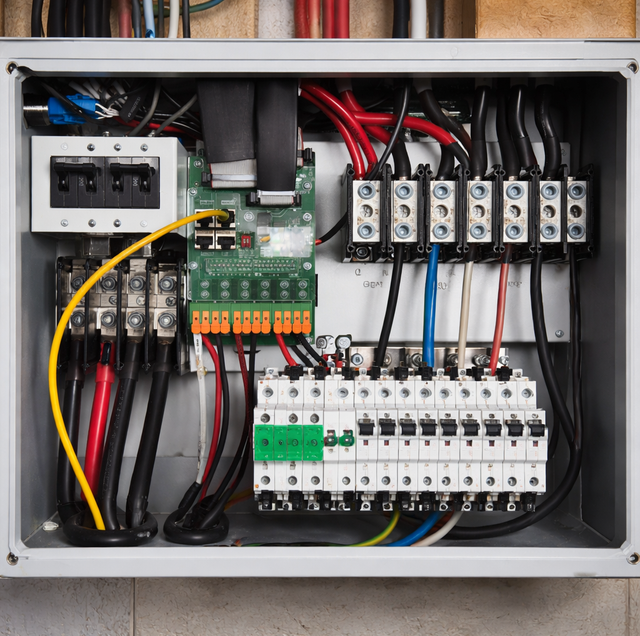
Quick Answer: A subpanel is a smaller breaker panel fed by a single large breaker in your main panel. It distributes power to circuits in one area, a garage, workshop, addition, or ADU, or frees up crowded breaker space, all without changing your home's total electrical service.
You add a circuit for the new garage freezer, then another for the workshop lights, and one day you open your main panel to find every slot already taken. Or you sketch out a room addition and realize there is no clean way to run six new circuits back to a panel on the far side of the house. That is the moment most homeowners first hear the word "subpanel," usually from an electrician who says it will solve the problem. This article explains what a subpanel actually is, how it draws power from your existing setup, and the situations where it is the right call rather than a full service upgrade.
What a Subpanel Actually Is
A subpanel is a second, smaller breaker box that receives its power from your main electrical panel rather than directly from the utility. The main panel is the one place in the house where the incoming utility power lands, and it holds the main breaker that shuts off the whole home. A subpanel sits downstream of that. It has no direct connection to the utility at all.
The relationship is worth getting straight before anything else, because it drives every other decision. Your main panel is fed by the utility. A subpanel is fed by your main panel. That single feed, called a feeder, is what makes the subpanel a branch of your existing system instead of a separate service. The subpanel does not add capacity to your home; it redistributes the capacity you already have to a place where you need more circuits.
A backyard irrigation manifold makes the idea concrete. One main line brings water to the manifold, and from there several smaller valves branch off to run different zones. Nobody drills a new well for the manifold; it splits what already arrives. A subpanel splits electrical capacity the same way, sending it out to local circuits from one supply line.
How a Subpanel Works
The mechanics come down to three parts: a feeder breaker, the feeder cable, and the subpanel's own breakers.
The feeder breaker: Inside the main panel, an electrician installs one double-pole breaker sized for the subpanel, commonly rated at 60 or 100 amps for a residential subpanel. This single breaker protects the wire running out to the subpanel and sets the ceiling on how much power the subpanel can draw. Everything the subpanel serves passes through this one breaker first.
The feeder cable: From that breaker, a cable runs to the subpanel. In a subpanel, this feeder carries four wires: two hot conductors, one neutral, and one ground. The four-wire requirement is not optional, and the reason is covered in the next section. The cable is sized to the feeder breaker's rating, so a larger subpanel needs heavier wire.
The subpanel's own breakers: At the subpanel, the incoming power lands on bus bars, and from there individual branch-circuit breakers feed the local outlets, lights, and appliances, exactly the way breakers work in the main panel. You can switch off the workshop at the subpanel without touching the rest of the house, which is one of the quieter conveniences of the arrangement.
The Wiring Rule That Makes a Subpanel Different
Here is the detail that separates a safe subpanel from a hazard: in a subpanel, the neutral bar and the ground bar must be kept completely separate. In the main panel, they are bonded together at one point. In a subpanel, they must not be.
The reason is that neutrals and grounds are supposed to be joined at exactly one location in the entire system, and that location is the main panel. If they are also bonded at the subpanel, normal current starts flowing on the ground wires and on metal parts that are meant to stay dead, such as conduit, appliance cases, and the subpanel enclosure itself. Those surfaces can then become energized, which is a shock risk, and the stray current is a fire risk over time. This is why the feeder must be four wires: the neutral and ground travel back to the main panel on their own separate conductors instead of sharing one.
A properly installed subpanel also needs its neutral bar isolated from the metal enclosure, which usually means removing a small bonding screw or strap that ships installed for main-panel use. Miss that step, and the panel is bonded whether you meant it or not. Detecting the mistake from the outside is nearly impossible for a homeowner, which is a large part of why this is licensed work.
When a Subpanel Makes Sense
A subpanel earns its place in a handful of common situations.
A detached garage or workshop: When a garage, barn, or shop sits away from the house, running a dozen individual circuits back to the main panel is wasteful and messy. One feeder out to a subpanel in the outbuilding lets you add lighting, outlets, and equipment circuits locally. Detached-structure feeders carry extra grounding requirements, including a grounding electrode such as a ground rod at the outbuilding.
A room addition or ADU: New square footage brings new circuits, often far from the main panel. A subpanel placed near the addition or accessory dwelling unit shortens the wire runs and gives that space its own set of breakers. For an ADU in particular, a dedicated subpanel keeps the unit's circuits organized and easy to isolate.
A far corner of the house: Sometimes the issue is simply distance. A finished basement or a bonus room over a detached-feeling wing may be a long, awkward run from the main panel. A subpanel closer to the load reduces long parallel wire runs and gives you room to grow.
Running out of breaker slots: Plenty of panels fill up before the home's actual electrical demand is anywhere near the limit. If you have capacity on paper but no physical space for another breaker, a subpanel adds slots without touching the utility service. This is one of the most frequent reasons homeowners end up with one.
When a Subpanel Is Not the Answer
A subpanel redistributes existing capacity; it does not create more. If your home's electrical service itself is maxed out, adding a subpanel just moves the bottleneck without solving it. The circuits will still be drawing from the same limited supply, and you can overload the main service.
The way to know which situation you are in is a load calculation. An electrician adds up the demand from your existing and planned circuits and compares it against your service rating. If the numbers show headroom, a subpanel is a reasonable way to use it. If the numbers show your service is already near its ceiling, the correct fix is a service upgrade, replacing the main panel and often the utility connection with a higher-rated one. No amount of subpanel work substitutes for that. Guessing at this step is how systems get overloaded, so the load calc is the deciding factor, not a hunch about how much the house "seems" to use.
Why This Is Licensed, Permitted Work
Beyond the shock hazard during installation, the safety-critical details- the separated neutral and ground, the correctly sized feeder, and the proper grounding electrode at a detached structure- are exactly the things that go wrong when the work is improvised.
For those reasons, adding or feeding a subpanel is licensed-electrician work that requires a permit and an inspection. The inspection exists to catch the invisible mistakes: the bonding screw left in place, the undersized feeder, the missing ground rod. Do not add or feed a subpanel yourself; the failure modes are the kind that stay silent until they cause harm.
Panel and subpanel work sits at the part of the system carrying lethal voltage, and the busbars inside a panel stay energized even when individual breakers are off. A miswired subpanel can energize metal surfaces and create a fire risk that hides for years. Adding or feeding a subpanel is licensed-electrician work that requires a permit and an inspection.
Frequently Asked Questions
It is possible but generally discouraged. Each panel in a chain drops available capacity and adds another point where a bonding or sizing error can occur, and the arithmetic on voltage drop and load gets harder to track. Most electricians will run a subpanel's feeder from the main panel directly unless the layout makes that truly impractical. A load calculation still governs the total draw regardless of how the panels are chained.
A subpanel does not always require its own main breaker; some are "main lug" panels with no single disconnect, relying on the feeder breaker back at the main panel to shut them off. Detached structures are the common exception, where a disconnecting means at the building is typically required. Which type fits your install depends on distance and whether the panel is in a separate structure.
Physical slot count varies by panel, commonly from 8 to 24 or more spaces, but the real limit is the feeder rating, not the number of slots. A 60-amp subpanel with 20 open slots still cannot supply more than 60 amps of simultaneous demand. Filling every slot is fine as long as the calculated load stays under the feeder breaker's rating.
Yes, with a rated enclosure. Outdoor and garage subpanels need a weatherproof housing, typically a NEMA 3R enclosure, and in damp or high-humidity settings corrosion resistance matters because moisture degrades untreated metal over time. The bonding and grounding rules are identical to an indoor install; only the enclosure and hardware change.
No. A subpanel redistributes power but does not reduce how much you use, so it has no effect on the meter. What it can do is make future additions cheaper to wire because circuits run to a closer panel instead of all the way back to the main, which saves labor and material on the next project rather than on your monthly bill.
Feeder wire is sized to the breaker protecting it, and copper and aluminum need different gauges for the same amperage because aluminum carries less current per size. A 100-amp feeder, for example, uses a heavier conductor than a 60-amp feeder, and long runs may need to go up a size to offset voltage drop. An electrician sizes this based on the feeder rating and the distance, not a rule of thumb.
Book a load calculation before you add a circuit — know whether a subpanel or a full service upgrade is the right fix. Ridgeline Electric serves Santa Cruz, Capitola, and Scotts Valley. Call (831) 206-5602.
