
Turning Empty Shells Into Wired Wonders
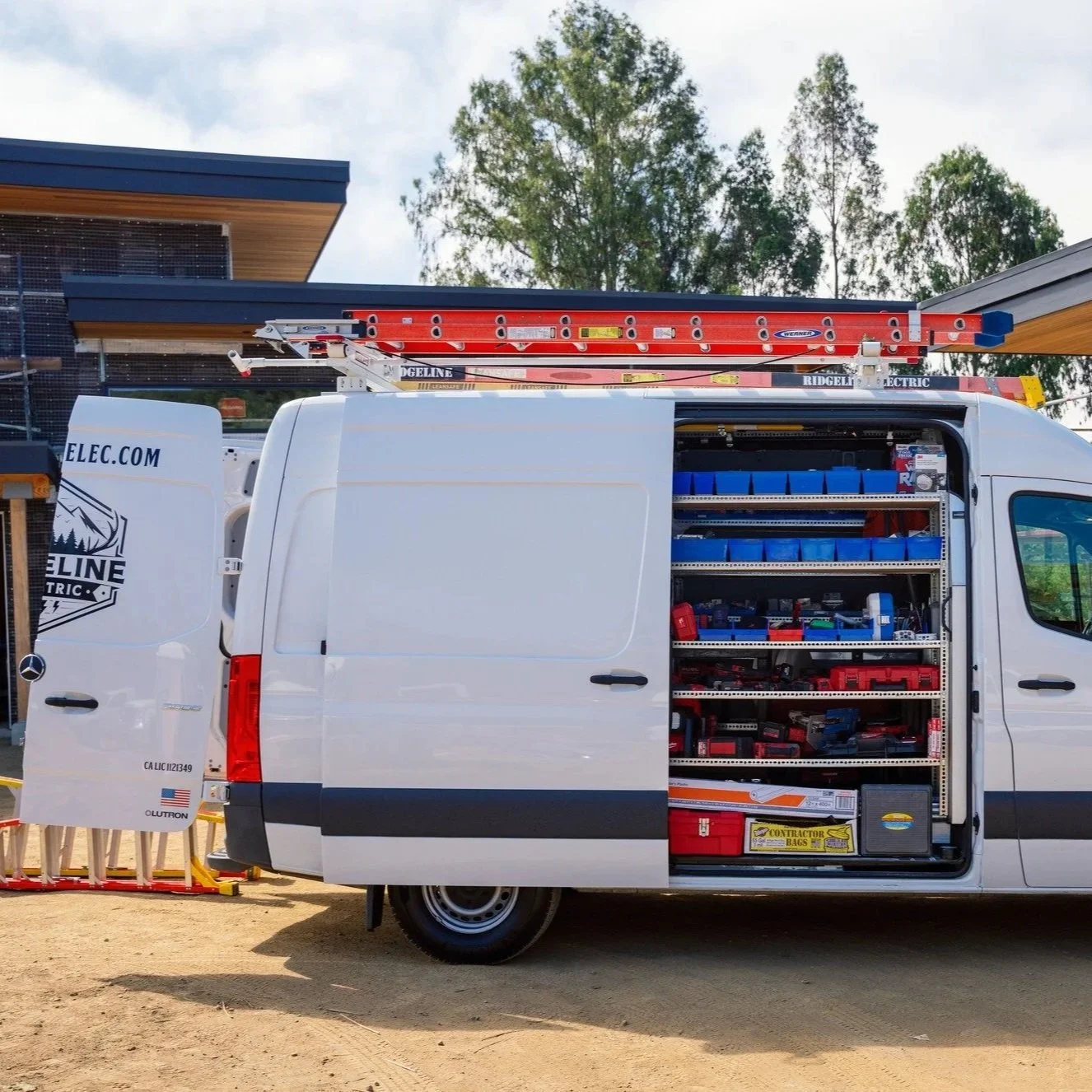
Clean, code-compliant, cleverly planned wiring makes that open shell usable, functional, and ready for whatever daily hustle the tenant throws at it.
Walking into a freshly constructed commercial space can feel like staring at a blank canvas with industrial lighting. There’s concrete underfoot, metal studs overhead, and maybe a few lonely outlets along the wall. It’s a raw space with considerable potential—but without professional tenant build-out wiring, it’s just that: potential.
Bringing a business to life takes more than paint and passion. It takes power. Clean, code-compliant, cleverly planned wiring makes that open shell usable, functional, and ready for whatever daily hustle the tenant throws at it. The magic happens behind the walls—and under the floor—and inside the panel where it quietly keeps the lights on, the tech charged, and the ovens humming.
Shells Don’t Come With Instructions
A new tenant might walk into a space with a very specific vision—a bustling café, a boutique salon, a pilates studio with moody lighting and sound. But shells aren’t preloaded with wiring diagrams. There’s no universal setup waiting behind those walls. Every switch, outlet, lighting fixture, and breaker needs to be mapped, measured, and installed with intention.
Tenant build-out wiring begins with a conversation about purpose. What’s going where? How much power will it draw? Will this zone need its own circuit? Will that espresso machine require a dedicated line? Are you mounting twelve TVs on one wall?
Professionals translate business plans into circuit layouts, calculating amperage and load distribution so the finished space works flawlessly—without tripping breakers when someone microwaves their lunch.
Commercial Code Is a Whole Different Language
Tenant improvements aren’t just about running wire and flipping breakers. They must comply with a maze of building codes, safety standards, and accessibility requirements that vary depending on the business type. Offices, retail, food service, and medical use all come with their own electrical rules—and violations aren’t just inconvenient, they’re expensive.
Professionals speak fluent commercial code. They know where GFCIs are required, when arc-fault protection applies, and how many outlets belong on a circuit, depending on the intended use. They obtain the necessary permits, coordinate with inspectors, and wire everything with an eye toward clean panels, accessible shutoffs, and a system that won’t raise any red flags at the final walkthrough.
Tenants may only see the lights come on. Professionals know what’s behind the glow.
Restaurants Need Dedicated Power With Room to Breathe
If there’s one business type that doesn’t do “low voltage,” it’s the commercial kitchen. Between refrigerators, ovens, dishwashers, heat lamps, mixers, and possibly even a walk-in freezer, restaurants place a significant demand on the panel.
Tenant build-out wiring for food service starts by separating appliance circuits. One high-wattage machine per breaker helps maintain stability, prevents overloads, and facilitates troubleshooting more easily down the line. Ventilation systems, hood fans, and exhaust controls also need special attention to meet both electrical and safety codes.
Lighting in food prep areas has its own standards. Emergency lighting must function during power outages. Even outdoor signs and drive-thru speakers require planning if they’re part of the dream. No two kitchens are wired the same—but all of them benefit from a professional who’s wired up enough stoves to know what will or won’t survive the dinner rush.
Retail Thrives on Smart Layouts and Flexible Power
Retail build-outs are a visual dance. Merchandise lighting, checkout counters, digital signage, and window displays all rely on accessible, adaptable power. If there’s no outlet where a holiday display needs to twinkle, that’s a problem. If the register loses power during a sale, it’s a full-blown crisis.
Professionals designing tenant build-out wiring for retail spaces focus on flexibility. They install circuits for dedicated point-of-sale equipment, conceal outlets behind display cases, and create lighting zones that can be dimmed, zoned, or switched depending on the time of year. Power is run to signage points, security camera hubs, and fitting room outlets without crowding circuits or overloading the panel.
Retail wiring should remain discreet in the background while the storefront takes center stage. When it’s done right, customers never know it’s there—but they feel the difference in the experience.
Offices Need More Than Just a Ton of Outlets
Office wiring used to mean wall plugs, overhead fluorescents, and maybe a phone line or two. Now, it includes dock stations, video conference gear, network cabling, and smart thermostats—all while keeping the copy machine from blowing a fuse when someone turns on the microwave.
Tenant build-out wiring for office spaces involves the clean separation of circuits, support for data networks, and sufficient low-voltage infrastructure to carry all the technology without signal loss. Lighting gets upgraded to LED with motion sensors or daylight harvesting features. Outlets are placed based on real furniture layouts—not just spaced evenly along the wall because someone guessed.
Professionals know that what looks clean in the blueprint rarely survives the real-world desk shuffle without a bit of help. The wiring goes in with just enough extra room for someone to change their mind after move-in.
Medical and Wellness Spaces Require Precision
Medical offices, wellness clinics, and therapy spaces need wiring that supports both sensitive equipment and patient comfort. Exam tables, X-ray machines, lab fridges, and diagnostic tools all pull power differently than basic lighting or audio systems.
Tenant build-out wiring in these spaces often includes isolated circuits, clean grounding, and dedicated breaker panels for equipment that can’t afford power dips or electrical noise. Professionals install code-compliant lighting with dimming options, zone lighting for patient areas, and emergency systems that remain functional even during power outages.
Wellness spaces, such as massage studios, therapy offices, or salons, may not have the same voltage draw, but they still require professional attention. Ambiance, plug placement, fan control, and sound system integration all depend on an innovative layout and hidden wiring that work seamlessly without drawing attention.
Lighting Layouts That Don’t Fight the Floorplan
Lighting can make or break a space—literally and emotionally. A poorly lit café feels cold. A too-bright therapy office feels clinical. A flickering fixture in a clothing boutique distracts from the merchandise on display.
Professionals handle lighting design as part of the wiring plan, placing switches logically and separating circuits by zone, mood, or function. That might mean pendant lighting over counters, recessed lights in waiting areas, or track lighting that highlights merchandise with precision.
Tenant build-out wiring includes dimmer compatibility, occupancy sensors, emergency backup options, and daylight sensors—all wired in a manner that verifies safety, stability, and flicker-free operation.
Planning for the Future Without Overbuilding the Present
Some tenants move into a space with eyes on expansion. Others want the freedom to swap fixtures or rotate rooms down the road. Professionals wire tenant build-outs with enough flexibility to allow for change without needing to tear everything out.
That includes extra conduit runs, labeled panels, and subpanels with room to grow. Circuits are balanced to leave a small margin of headroom. Panels aren’t packed to the last breaker. Even cable management is done with future tech in mind, so that adding a new piece of equipment won’t mean starting from scratch.
Smart wiring isn’t about overbuilding—it’s about thoughtful planning and making sure the space doesn’t become obsolete before the lease is up.
Clean Panels, Clear Labels, and Chaos-Free Closets
Tenant build-outs aren’t finished until the panel is labeled, the wires are dressed, and the closets are navigable by someone who didn’t install the system. When the lights blink or something needs maintenance, no business owner wants to guess which breaker belongs to the server room.
Professionals leave their work organized. Panels are legible. Wires are bundled. Junction boxes are placed for access—not just for installation convenience. The result is a space that’s as functional behind the scenes as it is upfront for customers.
Turnkey Power With a Professional Touch
At the end of a tenant build-out, nobody wants to walk in and wonder if the coffee machine is going to blow the lights. Power should be seamless, silent, and supportive. A professionally wired space runs like it was always meant to be a bustling business, not a concrete box pretending to be one.
Tenant build-out wiring brings vision to life without drama. It transforms an empty shell into a welcoming, high-functioning, and precision-built working environment. No flickers. No buzzing outlets. Just reliable power that keeps the space doing what it’s supposed to do—work. And work well.
Do not let electrical emergencies affect your daily life. Trust Ridgeline Electric for 24/7 emergency electrical services. Our licensed and certified technicians also specialize in offering apartments and multi-family electrical solutions in Santa Cruz County. Count on us for dependable services that adheres to all local codes and regulations. We aim to exceed customer expectations and guarantee 100% satisfaction. Call today for a free estimate.
