No Shocks Just Certainty
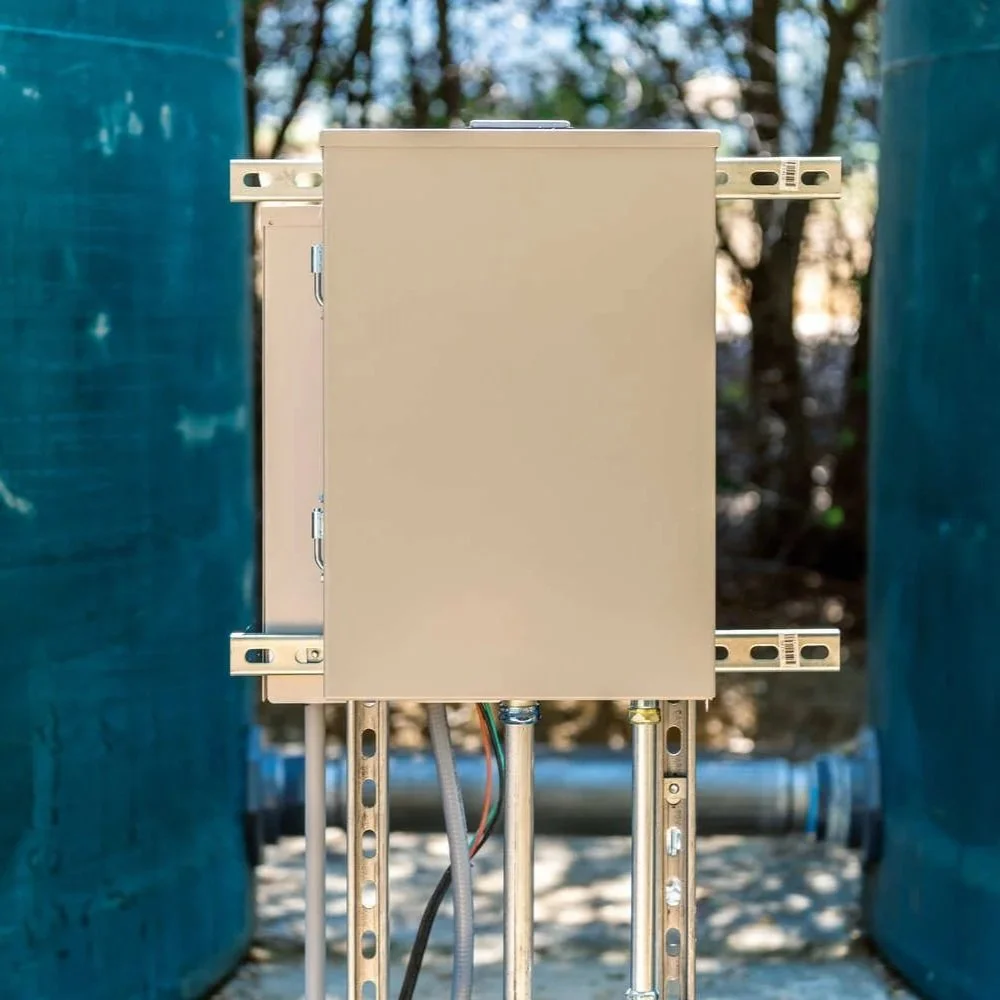
Professionals know exactly where to look, what questions to ask, and which odd smells mean trouble.
A home’s electrical system isn’t always loud about its problems. Lights might flicker. Outlets may hum like they’ve joined a choir. The panel may be older than most sitcom reruns. Homeowners don’t always know where the issue hides, but the current keeps flowing—until it doesn’t.
That’s where home electrical inspections walk in like an old friend with a flashlight and a checklist. Professionals know exactly where to look, what questions to ask, and which odd smells mean trouble. Home electrical inspections prevent the worst by catching problems before they become chaos.
Wiring That Keeps Up With Modern Life
Not every house was built with gaming consoles, induction stoves, and smart thermostats in mind. In many homes, the original wiring still works, but just barely. It’s not about nostalgia; it’s about load capacity.
An inspection reveals where the wiring no longer matches the demand. It doesn’t mean the walls need to be torn open right away. It just means real data replaces guesswork. When professionals inspect the system, they measure how the home uses electricity and where upgrades would boost performance and safety.
Panels Don’t Age Gracefully
The electrical panel is the system’s heart. It distributes power, manages circuits, and absorbs the brunt of surges and overloads. When a panel shows signs of aging—rust, heat damage, tripped breakers that won’t reset—it’s not being dramatic. It’s waving a bright red flag.
Home electrical inspections include a thorough review of the panel. Electricians check the amperage rating, grounding quality, and breaker condition. They look for outdated components, overcrowded spaces, and loose connections that may lead to arcing or fire. It’s not glamorous work, but it beats guessing when the lights might go out next.
Outlets With A Mind Of Their Own
Dead outlets aren’t shy. They sit there, silent and stubborn. But ones that work intermittently? Or throw a few sparks for flair? Those are confusing. Inspections track down the root of weird behavior—whether it’s a loose wire, overloaded branch circuit, or the start of something more serious.
Modern outlets need more than just juice. GFCI and AFCI protections matter. Outdoor receptacles deserve weather-resistant designs. Kitchens, bathrooms, and garages call for specialized setups. Inspections identify what’s missing, what’s mismatched, and where extra safety is one wire away.
Code Compliance Isn’t Just A Paper Trail
Electrical codes evolve. What passed inspection ten years ago might not meet standards today. That’s not just bureaucracy; it’s progress in safety, technology, and efficiency. Home electrical inspections compare what exists against what’s required.
Professionals know the latest residential codes inside and out. They verify grounding paths, inspect junction boxes, and confirm safe clearance around panels and fixtures. For homeowners planning to sell, renovate, or just sleep better at night, knowing that a system meets code isn’t optional—it’s essential.
Inspections Reveal Invisible Hazards
Electrical fires rarely announce themselves with fanfare. They build slowly—behind a wall, inside a box, beneath a baseboard—until the heat catches up with the insulation. Regular inspections interrupt that process.
Signs like hot switches, buzzing lights, or a faint burning odor might seem minor. Inspections uncover what’s causing the issue and how to fix it safely. A seasoned electrician uses thermal tools, voltage testers, and experience to find what the eye can’t see. Hidden doesn’t mean harmless.
The Role Of Home Additions And Remodeling
Home expansions often introduce new circuits, extra outlets, and greater electrical loads. Sometimes, those changes happen without fully integrating into the original panel or system. That’s where electrical inspections really shine.
Professionals evaluate whether the additions were wired properly, whether the load demands match the panel’s capacity, and whether grounding and bonding are consistent throughout the home. It’s not about judging past work, but about making sure the future doesn’t trip a breaker or worse.
Smart Home? Smart Inspection
Smart doorbells, thermostats, and lighting systems bring convenience. But every added gadget draws on the home’s electrical system. An inspection confirms the wiring behind the smart upgrades doesn’t look like something from the dark ages.
Electrical inspectors assess if the circuits feeding smart systems are properly grounded and surge-protected. They also check that connections aren’t overcrowded and that the control systems link safely to home networks. When convenience meets caution, everyone wins.
Grounding Isn’t Just For Teenagers
Grounding and bonding often play second fiddle to flashier components, but they carry just as much responsibility. A proper ground path lets stray electricity exit the building safely. Bonding connects metal components to prevent shocking surprises when touching appliances or fixtures.
During inspections, electricians test continuity, resistance, and connection quality. They confirm ground rods, bonding jumpers, and conductor sizes are all present and correct. When those invisible safeguards work as they should, they create a quiet barrier between homeowners and electric surprises.
Storm Season Calls For Confidence
Heavy storms put pressure on every inch of a home’s wiring. Power surges from lightning, wind-downed lines, or grid disturbances travel fast and hit hard. Inspections before storm season check that surge protection is installed and functional.
Professionals inspect breakers, lightning arrestors, and grounding systems to confirm they’re ready for action. A house that’s properly protected won’t just flicker and reset—it will ride the storm out without sacrificing electronics or appliances to the voltage gods.
Older Homes Hold Secrets
Vintage charm doesn’t always come with modern circuitry. Knob-and-tube wiring, ungrounded receptacles, and aluminum wiring still hide behind plenty of beautiful walls. Inspections bring those systems into focus.
It’s not about shaming older homes. It’s about evaluating what can stay, what needs attention, and what must be updated for safety. Electrical inspections in older homes offer context and a path forward, without scaring homeowners into gut renovations they don’t need.
Buyers Need To Know What They’re Plugging Into
During real estate transactions, electrical inspections provide critical information. Does the home have enough circuits for modern life? Is the panel up to current standards? Are there surprise hazards waiting behind outlet covers?
A full electrical inspection offers buyers peace of mind. Sellers benefit too, because a safe, up-to-date system adds value and smooths the path to closing. No last-minute scrambling, no confusion, no headaches over mystery wires.
Preventive Checks Beat Reactive Fixes
Waiting for an electrical issue to make itself known often costs more than catching it early. Burned outlets, melted wires, or shorted panels don’t tend to fix themselves quietly.
Scheduled inspections find problems while they’re still minor. A loose wire becomes a tightened screw. An overloaded circuit becomes a new breaker. A miswired fixture gets a proper connection. Preventive care means small corrections, not costly emergencies.
A Safety Conversation That Doesn’t End In Panic
Electrical inspections sound technical, but they lead to practical advice. Professionals walk homeowners through the findings, explain what’s working and what isn’t, and prioritize updates. There’s no jargon for the sake of jargon. Just a clear roadmap from inspection to improvement.
That might include adding GFCIs in wet areas, replacing ungrounded outlets, upgrading a panel, or balancing circuit loads. The result? A home where electricity behaves itself, without drama or doubt.
Routine Inspections For Long-Term Health
Just like dental visits or oil changes, electrical systems benefit from regular checkups. Every few years, a home deserves a fresh set of professional eyes. Not because something’s wrong—but because everything deserves confirmation it’s still right.
Inspectors spot wear that homeowners might never notice. They track system health over time, catch developing issues, and keep the home’s heart, the wiring and panel, in peak condition. It’s a rhythm of safety that fits any home, old or new.
Power Without Worry
Home electrical inspections don’t just protect the wiring. They support the routines, devices, and comforts of everyday life. When electricity flows reliably and safely, families work, play, and rest without interruption.
Professionals make that possible by paying attention where others overlook. Behind the outlets. Beneath the covers. Deep inside the panel. They bring confidence to every circuit and clarity to every question.
No flickers. No sparks. Just steady, thoughtful service wired straight into the heart of the home.
Ridgeline Electric is a trusted local electrical contractor providing electrical inspections & code corrections, ceiling fan & light fixture installation, outdoor & landscape lighting services, and commercial electrical services across Santa Cruz County. As a licensed electrician, we ensure to meet the highest industry standards and guarantee 100% customer satisfaction. Book your service appointment today.
