
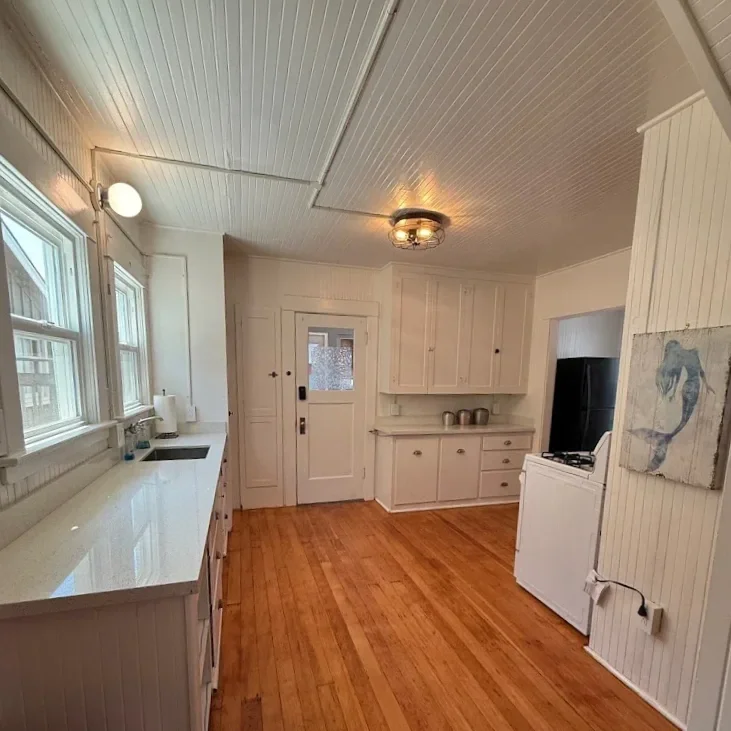
Recessed lighting installation calls for precision, planning, and a clear understanding of how light travels across a space.
Not every room needs a chandelier with attitude. Recessed lighting skips the drama and dives straight into the details. When done professionally, it slips into ceilings with quiet confidence—no wires on display, no fixtures competing with the décor, no awkward glare zones that make people squint through dinner.
Recessed lighting installation calls for precision, planning, and a clear understanding of how light travels across a space. Electricians know where shadows lurk, how to avoid spotlighting the laundry basket, and how to make ceilings look taller without touching a ladder. It’s the kind of upgrade that doesn’t wave for attention but transforms a room anyway.
Why Recessed Lighting Deserves More Than Just a “Sure, Throw It In”
Tucking lights into the ceiling doesn’t mean tucking planning out the door. Professionals know that spacing, placement, and circuit load matter—a lot. A recessed lighting setup should feel balanced across the room. Too few, and everything looks moody in the wrong places. Too many, and it starts to feel like the surgical suite nobody asked for.
Lighting technicians and electricians work together to design layouts that highlight what matters: counters in the kitchen, artwork in the hallway, and reading nooks that actually help you read. They also consider beam spread, ceiling height, and bulb type. No guessing games. Just well-placed light from people who know what they’re doing.
Cans That Disappear Into the Ceiling
Recessed fixtures aren’t called “can lights” by accident. But the right ones never look like someone taped a soup can to the ceiling. Today’s models sit flush, blend with paint, and even adjust their color temperature. Professionals install them with airtight trim to avoid drafts and maintain energy efficiency.
The difference is all in the details: clean edges, no sagging, no ceiling cuts that look like they were done with a kitchen knife. Recessed lighting installation by a trained electrician results in uniform alignment and smooth ceilings—like the lights always belonged there.
Bathrooms That Glow Instead of Glaring
One overhead fixture in the bathroom often creates more shadow than shine. People lean toward the mirror and find themselves underlit. Recessed lighting changes that completely. With the right angle and spacing, electricians place lights around mirrors, showers, and vanity areas to reduce shadows and brighten the whole space.
Bathrooms benefit from water-safe fixtures rated for damp environments. Professionals select trims and housings built for moisture and install them according to code; no guesswork or shortcuts. You see yourself clearly, the steam clears safely, and nothing flickers mid-shave.
Kitchens Finally Make Sense
Chopping carrots by the light of a pendant three feet away? Not ideal. Kitchens thrive with layered lighting, and recessed fixtures form the quiet backbone. Pros install lights above counters, stoves, sinks, and islands—right where the action happens. The result? No more cooking in your own shadow.
Recessed lighting also allows zoning. Electricians can split kitchen lights into task and ambient groups, so you’re not forced to flood the whole kitchen to grab a midnight snack. Flexible switches and dimmers add to the charm without calling attention to themselves.
Living Rooms With Mood Control
The family room can’t decide if it’s a theater, a homework hub, or a place for Sunday naps. Recessed lighting keeps up. Professionals install dimmable fixtures across different zones of the room so you can light only what you need, when you need it. Watching a movie? Drop the main lights and keep a soft glow behind the couch.
Electricians also run dedicated circuits, so you’re not constantly fighting the TV glare war. One switch dims the front row. Another lights up the back. No drama. Just a lighting plan that understands how rooms shift and change throughout the day.
Hallways Without Hotspots
One bulb in the center of the ceiling doesn’t cut it when trying to navigate midnight trips to the kitchen or navigate a hallway gallery wall. Recessed lights in a hallway provide clean, even illumination that doesn’t cast eerie shadows or blast eyes at night.
Electricians space recessed fixtures evenly and wire them for low-lumen or dimmable output. Some even add motion sensor controls for energy savings. No stumbling. No squinting. Just soft, predictable light that feels welcoming and safe. Even at three a.m.
Bedrooms with Lighting That Listens
Ceiling fans with lights aren’t the only option anymore. Recessed lighting offers a clean alternative that keeps things flexible. Want a bright light to fold laundry? Done. Soft light for reading in bed? Also covered. Professionals install fixtures that serve every purpose—and work seamlessly with smart switches or dimmers.
They also think through bedroom wiring needs. Instead of daisy-chaining from some nearby hallway, recessed lighting circuits stay dedicated and quiet. No buzz. No flicker. Just lights that respond calmly, no matter how moody the morning starts.
Basements That Don’t Feel Like Basements
Basements often feel dim by default. Recessed lighting flips that expectation. Installed into low ceilings, the lights provide bright, full coverage without dangling or crowding already tight spaces. Game rooms shine. Home gyms feel energized. Laundry areas stop looking like crime scenes.
Professionals wire recessed lights with proper insulation contact (IC) ratings so they work safely even when tucked into ceilings stuffed with ductwork and pink batting. They also use shallow housings in tight headroom situations, guaranteeing nothing hangs lower than necessary.
Upgrading Old Fixtures Without Ripping Out Everything
Many homes continue to rely on overhead fixtures in awkward spots. Replacing those with recessed lighting opens the room both visually and functionally. Pros assess the existing wiring and structure before carving any holes. If they can repurpose the circuit, great. If not, they run new wiring from the panel with permits, inspections, and a clean finish.
Modern retrofits mean many homes don’t need major ceiling surgery. Electricians use precision cutting tools, install junction boxes in the attic if needed, and patch drywall with minimal fuss. The end result? A room that looks brighter, newer, and somehow taller without a full remodel.
Dimmer Compatibility Means Real Ambiance
Recessed lighting and dimmers go together like tacos and Tuesdays. But not all dimmers play nice with all LED fixtures. Professionals match dimmers to lights during installation so the dimming curve works smoothly. No stuttering. No sudden blackouts when trying to find “just a little mood.”
They also separate zones so each set of lights responds independently. You control what glows, what dims, and what stays off entirely. It’s personalized lighting without the daily light switch disco.
Recessed Lighting That Plays Well With Smart Homes
Recessed fixtures now come smart-ready. That means tunable white options, color-changing settings, and voice control all from your phone or smart speaker. But none of that works properly if the wiring is wrong or the connections flicker under load.
Electricians set up the system to speak fluently with your smart home hub. They check voltage, install the correct drivers, and balance loads so every “Turn on the kitchen lights” command actually delivers clean, instant light. Smart systems need smart installs—and recessed lighting fits right in.
Energy-Efficient, But Only When Done Right
LED recessed lights use less energy than traditional bulbs, but not all installs are created equal. Loose connections, overstuffed circuits, or non-rated fixtures can suck up more power and shorten the lifespan of even the fanciest bulbs.
Professionals make recessed lighting installation efficient from the ground up. That includes airtight housings, low-wattage bulbs, and timers or motion sensors where it makes sense: lower bills, happier bulbs, and fewer trips up the ladder.
The Right Install Leaves No Trace—Except for Light
Recessed lighting only works when it disappears into the ceiling and stays out of the way. That invisibility takes skill. Electricians know how to fish wire through existing framing, avoid ducts and joists, and leave ceilings looking untouched.
Their work also holds up over time. Fixtures stay snug. Trim doesn’t yellow. Lights keep working without buzzing or flickering. It’s the kind of craftsmanship that people don’t always notice, but always appreciate.
Lighting That Changes the Room Without Changing the Room
Recessed lighting doesn’t make a scene. It just makes every scene look better. Whether it’s a cozy living room, a newly remodeled kitchen, or a quiet basement that finally feels usable, the transformation happens quietly above your head.
Professionals take care of every step from layout to wiring to drywall repair so each fixture lands exactly where it belongs. No overhead drama. No shadows stealing the moment. Just clean, focused lighting that glows where it matters and disappears where it doesn’t.
Ridgeline Electric is a trusted local electrical contractor providing electrical inspections & code corrections, ceiling fan & light fixture installation, outdoor & landscape lighting services, and commercial electrical services across Santa Cruz County. As a licensed electrician, we ensure to meet the highest industry standards and guarantee 100% customer satisfaction. Book your service appointment today.
